Suitable for low temperature environment, WORWORF 18650 26ML review
This time, the charging head network will bring you the test of 18650 26ML battery cell. Its nominal capacity is 2600mAh. It has also passed multiple safety standards, as well as high-safety structural design, precise power-off and pressure relief devices. The charging head network will test the performance of this battery cell from three aspects: charging and discharging, internal resistance and temperature. Let's take a look at it together.

Appearance introduction
As usual, let's take a look at the appearance of this battery cell.

WORWORF 18650 26ML battery cell is cylindrical in design and uses gray battery cell film color. The film color can be adjusted according to requirements to meet the diverse needs of customers.

The other side of the WORWORF18650 26ML battery has a battery code: "WWF 18650 26ML" Rated capacity: 2600mAh@0.2C; Nominal voltage: 3.6V; Nominal energy: 9.36Wh; AC internal resistance: ≤35mΩ.

The negative contact surface of the WORWORF18650 26ML battery is made of alloy metal material, anodized, durable and corrosion-resistant.

The positive contact surface of the WORWORF18650 26ML battery is still made of alloy material, and the disc is also connected with four welding points.

Using a plastic caliper, the height of the WORWORF18650 26ML battery cylinder is about 65.2mm.

The diameter of the WORWORF18650 26ML battery column is about 18.2mm.

The weight of the WORWORF18650 26ML battery is about 43.6g.

The WORWORF18650 26ML battery is relatively small in the hands of an adult man.
Charge and discharge test
After looking at the appearance, let's get to the point; the following will be charged and discharged at 0.2C, 0.5C and 1C rates.
Charging test
The charging test will perform constant current and constant voltage charging at 0.2C, 0.5C and 1C rates, and calculate the total time consumed.
0.2C charging

Draw a line graph, set the current to 520mA, 0.2C for WORWORF 18650 26ML battery charging, the charging cut-off voltage is 4.2V, and it takes 5 hours and 10 minutes.
0.5C charging

Draw a line graph, set the current to 1300mA, 0.5C for WORWORF 18650 26ML battery charging, the charging cut-off voltage is 4.2V, and it takes 2 hours and 23 minutes.
1C charging

Draw a line graph, set the current to 2600mA, 1C is for the 18650 26ML battery cell of WORWORF, the charging cut-off voltage is 4.2V, and it takes 1 hour and 32 minutes.

Draw the test data into a line graph. In the charging test, it takes 5 hours and 10 minutes to fully charge at 0.2C, 2 hours and 23 minutes to fully charge at 0.5C, and 1 hour and 23 minutes to fully charge at 1C.
Discharge test
In the discharge test phase, constant current discharge will be used to calculate its total time consumption and its released capacity and energy values.
0.2C discharge

Draw a line graph, set the current to 520mA, 0.2C is for the 18650 26ML battery cell of Vovaf, the average voltage is 3.74V, the discharge cut-off voltage is 2.5V, it takes about 4 hours and 50 minutes, the released capacity is 2517mAh, and the released energy is 9.41Wh.
0.5C discharge

Draw a line graph, set the current to 1300mA, 0.5C for the 18650 26ML battery cell of WORWORF, the average voltage is 3.7V, the discharge to the cut-off voltage is 2.5V, it takes about 1 hour and 54 minutes, the discharge capacity is 2488mAh, and the energy released is 9.2Wh.
1C discharge

Draw a line graph, set the current to 2600mA, 1C for the 18650 26ML battery cell of WORWORF, the average voltage is 3.64V, the discharge to the cut-off voltage is 2.5V, it takes about 56 minutes, the discharge capacity is 2457mAh, and the energy released is 8.94Wh.

Summarize the test data into a table, it can be seen that the battery cell has a difference in discharge test at three rates. The shortest discharge time is 1C discharge, which is about 56 minutes. The longest discharge time is 0.2C discharge, which is about 4 hours and 50 minutes.

The test data is summarized into a bar chart. The overall discharge energy in the discharge test is between 8.94-9.41Wh; the overall gap is not large. The highest discharge energy is the 0.2C discharge gear, which reaches 9.41Wh; the lowest discharge energy is the 1C discharge gear, which is 8.94Wh.

Let's take a look at the difference in capacity released by each gear. The data is plotted into a curve chart. It can be seen that the 0.2C discharge gear releases a capacity of 2517mAh, and the lowest discharge capacity is 2457mAh at the 1C discharge gear.
Internal resistance test
For the internal resistance test, the charging head network will use an internal resistance tester to test the full-charge internal resistance and the empty-charge internal resistance respectively.

Summarizing the test data into a table, it can be seen that the full-charge internal resistance voltage is 4.2V, and the empty-charge internal resistance voltage is 2.5V. The nominal internal resistance of the 18650 26ML battery cell of Wowaf is ≤35mΩ.

Drawing a bar graph, we can see that the internal resistance of 4.2V full charge is 21.18mΩ, and the internal resistance of 2.5V empty charge is 20.49mΩ, both of which do not exceed the nominal internal resistance, and the performance is excellent.
Temperature test
In the temperature test part, the charging head network will measure the temperature after 30 minutes of each charge and discharge rate.
Charging temperature test
0.2C charging

The WORWORF 18650 26ML battery cell is charged at a rate of 0.2C for 30 minutes, and the maximum surface temperature is about 25.6℃.
0.5C charging

The WORWORF 18650 26ML battery cell is charged at a rate of 0.5C for 30 minutes, and the maximum surface temperature is about 27℃.
1C charging

The WORWORF 18650 26ML battery cell is charged at a rate of 1C for 30 minutes, and the maximum surface temperature is about 28.9℃.
Discharge temperature test
0.2C discharge

The WORWORF 18650 26ML battery cell was discharged at a rate of 0.2C for 30 minutes, and the maximum surface temperature was about 27°C.
0.5C discharge

The WORWORF 18650 26ML battery cell was discharged at a rate of 0.5C for 30 minutes, and the maximum surface temperature was about 27.2°C.
1C discharge

The WORWORF 18650 26ML battery cell was discharged at a rate of 1C for 30 minutes, and the maximum surface temperature was about 30.8°C.
Charger head network summary
This WORWORF 18650 26ML battery cell was tested by the charger head network at three rates of 0.2C, 0.5C and 1C. In terms of charging, the 1C rate charging can complete the charging in 1 hour and 32 minutes. In the discharge part, it can be seen that the 0.2C rate discharge discharge capacity is 2517mAh, which is close to the nominal capacity, and the energy released is also the highest, reaching 9.41Wh.
Let's take a look at the internal resistance and temperature performance. The internal resistance values in the empty and fully charged states did not exceed the nominal internal resistance, and were both around 20-21mΩ. In terms of temperature, the temperature was tested after 30 minutes of charge and discharge at three different rates. The temperature was in the range of 27-30℃, and the heat generation was relatively small. Overall, this Wowaf 18650 26ML battery cell has excellent performance in terms of charge and discharge capabilities, internal resistance, and temperature performance, which has effectively solved the problem in extremely cold regions. At the same time, it has passed multiple safety standards and high-safety structural design to further improve safety performance.
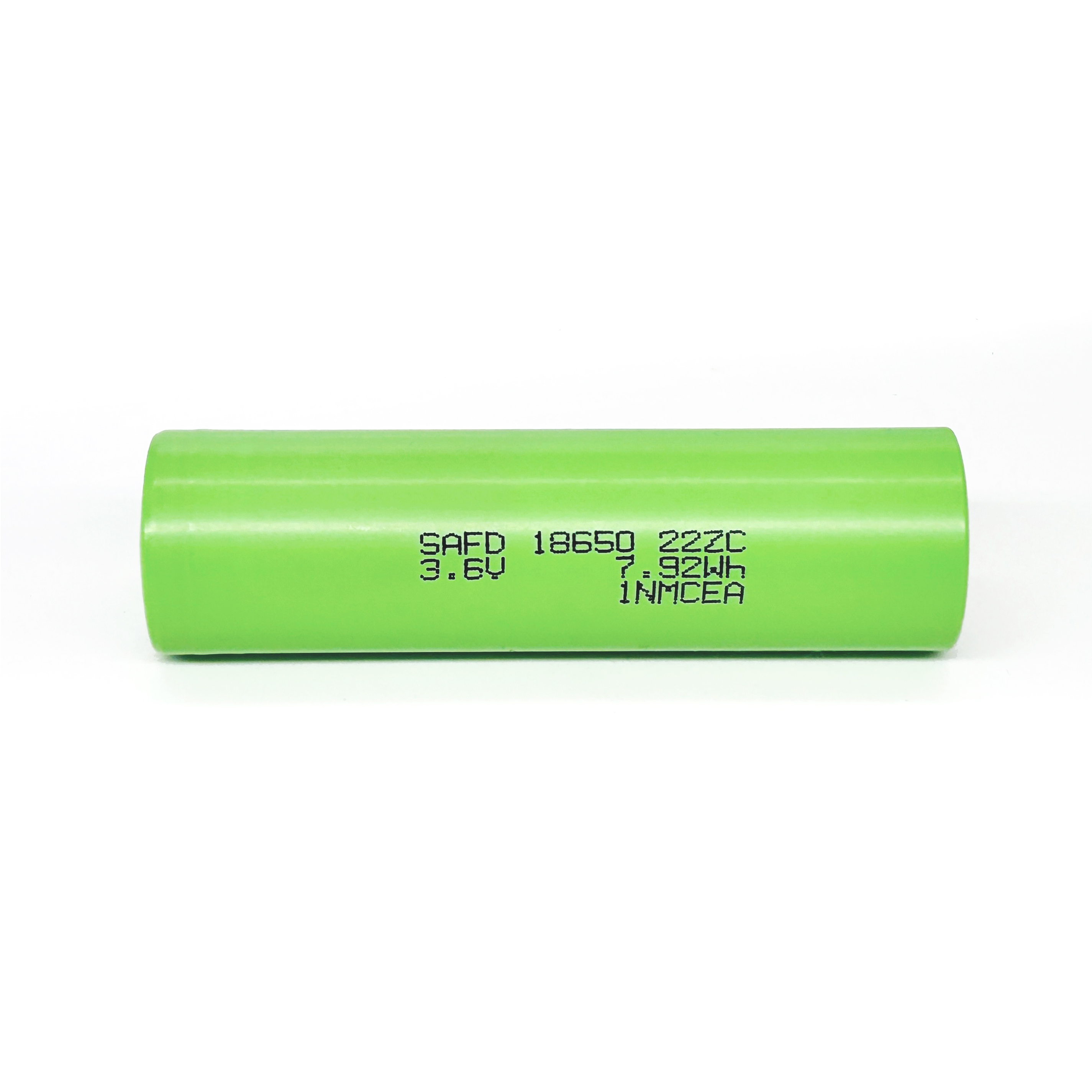
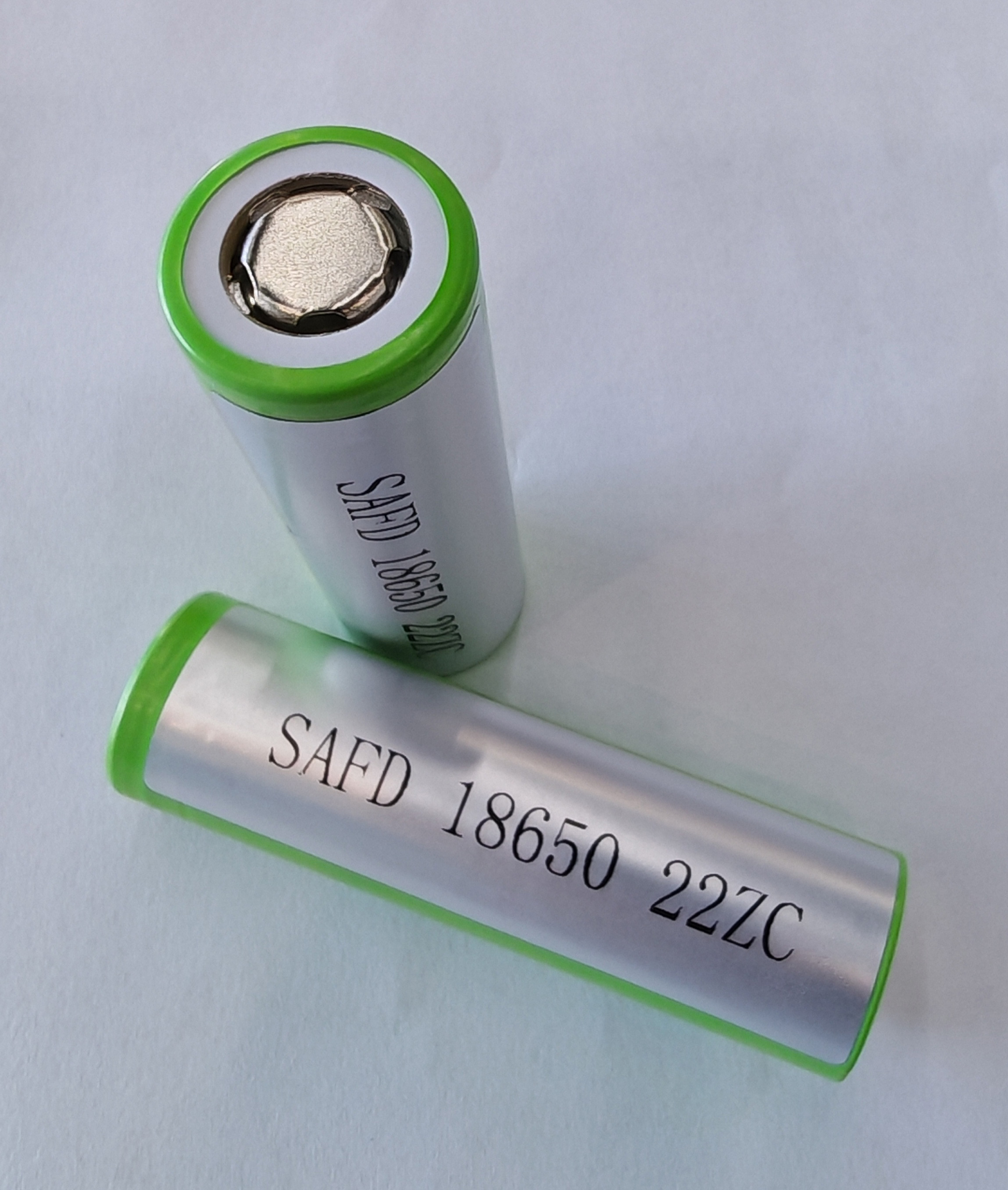
High safety and long life! SAFD 18650 22ZC battery cell is the new first choice for the two-wheel travel 3C digital market!
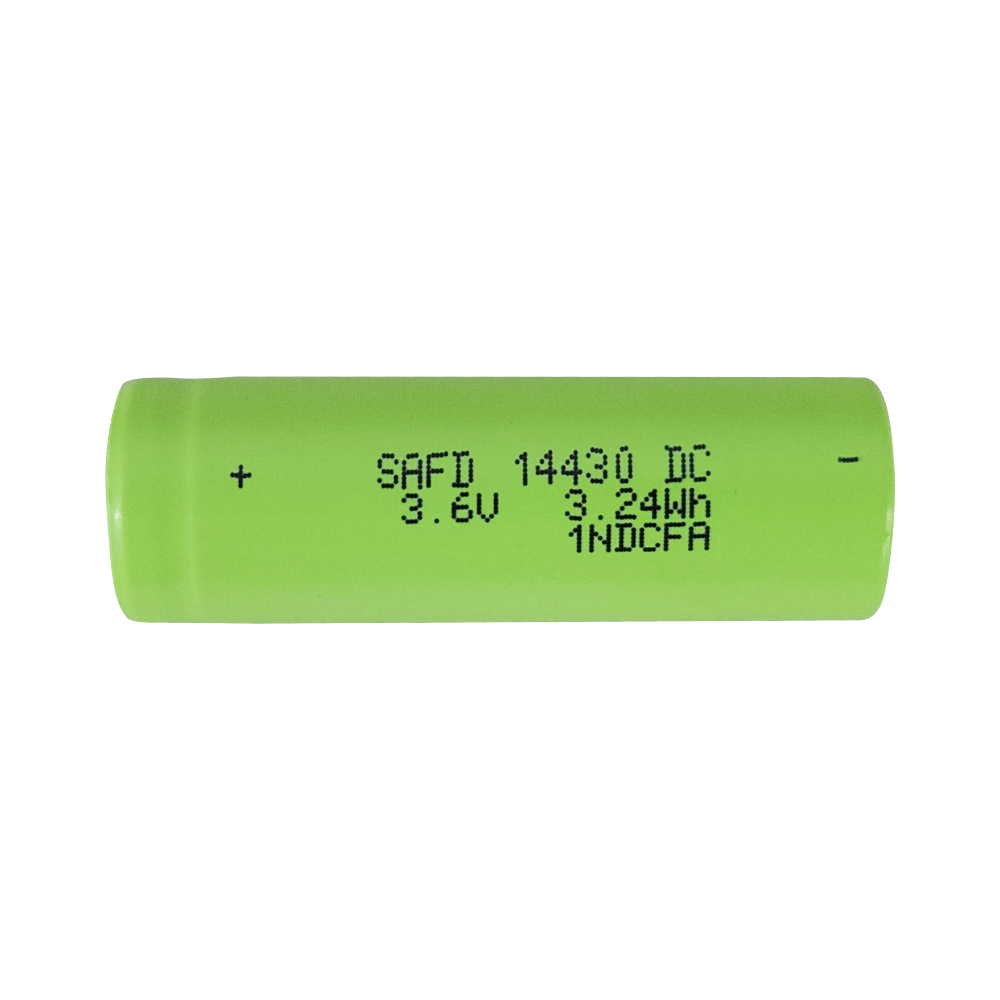
SAFD 14430DC battery review: small size, high energy, meeting the needs of diverse smart devices