What is a lithium primary battery?
A lithium primary battery (Lithium Primary Battery) is a non-rechargeable battery that uses lithium metal or lithium compounds as the negative electrode material.
Unlike rechargeable lithium-ion batteries, this type of battery is mainly used for one-time use and cannot be recharged after the power is exhausted.
Lithium primary batteries have many advantages, such as high energy density, stable discharge voltage, good durability, and can work normally in low temperature environments.
They are widely used in small electronic devices, medical instruments, security equipment, sensors and other fields.

Characteristics of lithium primary batteries
1. High energy density: The energy density of lithium primary batteries is usually higher than that of other disposable batteries (such as alkaline batteries), which allows it to provide longer use time.
2. Stable discharge voltage: The output voltage of lithium primary batteries is relatively stable, and there will be no obvious voltage drop during use, ensuring the stable operation of the equipment.
3. Low self-discharge rate: The self-discharge rate of lithium primary batteries is very low, usually only about 1-2% per year. This means that even if it is not used for a long time, the battery power loss is very small, which is suitable for long-term backup equipment.
4. High and low temperature resistance: This battery has a wide operating temperature range and can usually work normally between -40°C and 60°C, which is particularly suitable for use in extreme temperature environments.
5. Light weight: Lithium is a metal with very low density, so the weight of lithium primary batteries is usually lighter than other disposable batteries of the same capacity, making them easy to carry.

Application of lithium primary batteries
Lithium primary batteries are widely used in the following occasions:
Small electronic devices: such as calculators, watches, remote controls, electronic toys, etc.
Medical equipment: such as pacemakers and other equipment that require long-term power supply.
Security equipment: such as smoke alarms, electronic door locks, etc.
Industrial equipment: such as sensors, instruments, automatic control systems, etc.

Common types of lithium primary batteries
1. Lithium manganese dioxide battery (Li/MnO₂): Commonly used in cameras, smoke alarms, etc., the voltage is generally 3V.
2. Lithium thionyl chloride battery (Li/SOCl₂): Used for long-term standby equipment such as electric meters and data recorders, the voltage is generally 3.6V.
3. Lithium iron battery (Li/FeS₂): commonly used in high-energy electronic devices, such as digital cameras, outdoor equipment, etc., with a voltage of 1.5V.

The difference between lithium primary batteries and lithium-ion batteries
| Features | Lithium primary battery | Lithium-ion battery |
| Is it rechargeable | Not rechargeable | Rechargeable |
| Applicable equipment | Disposable electronic products, long-term backup power | Electronic products that require frequent charging and discharging |
| Self-discharge rate | Very low, suitable for long-term storage | Relatively high, suitable for frequent use |
| Typical applications | Smoke alarms, remote controls, medical equipment, etc. | Mobile phones, laptops, electric vehicles, etc. |
| Operating temperature range | Wider, good low temperature resistance | Relatively narrow, average low temperature performance |

In general, lithium primary batteries are widely used in some devices that cannot be frequently replaced or need to be in standby for a long time due to their long-lasting and durable characteristics.
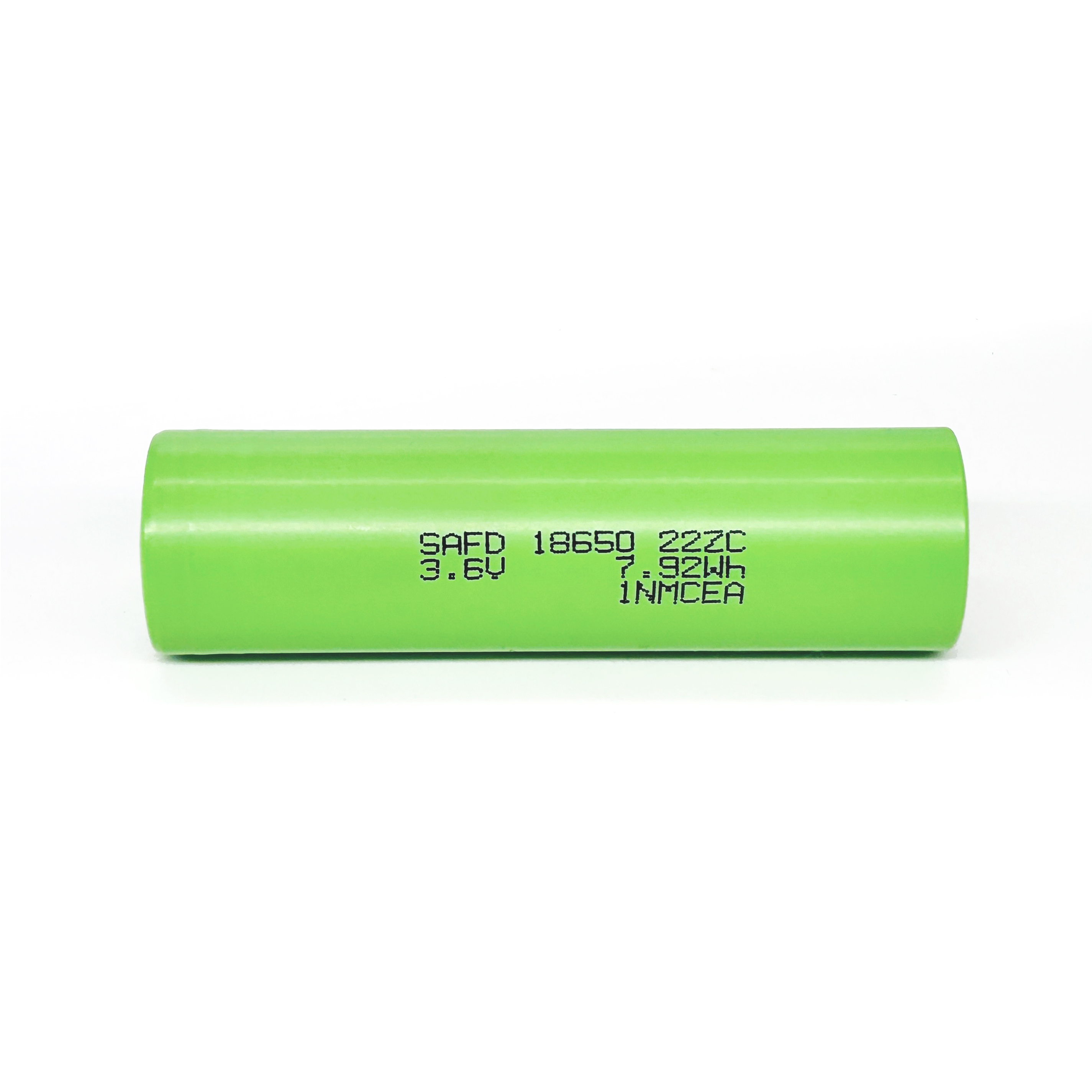
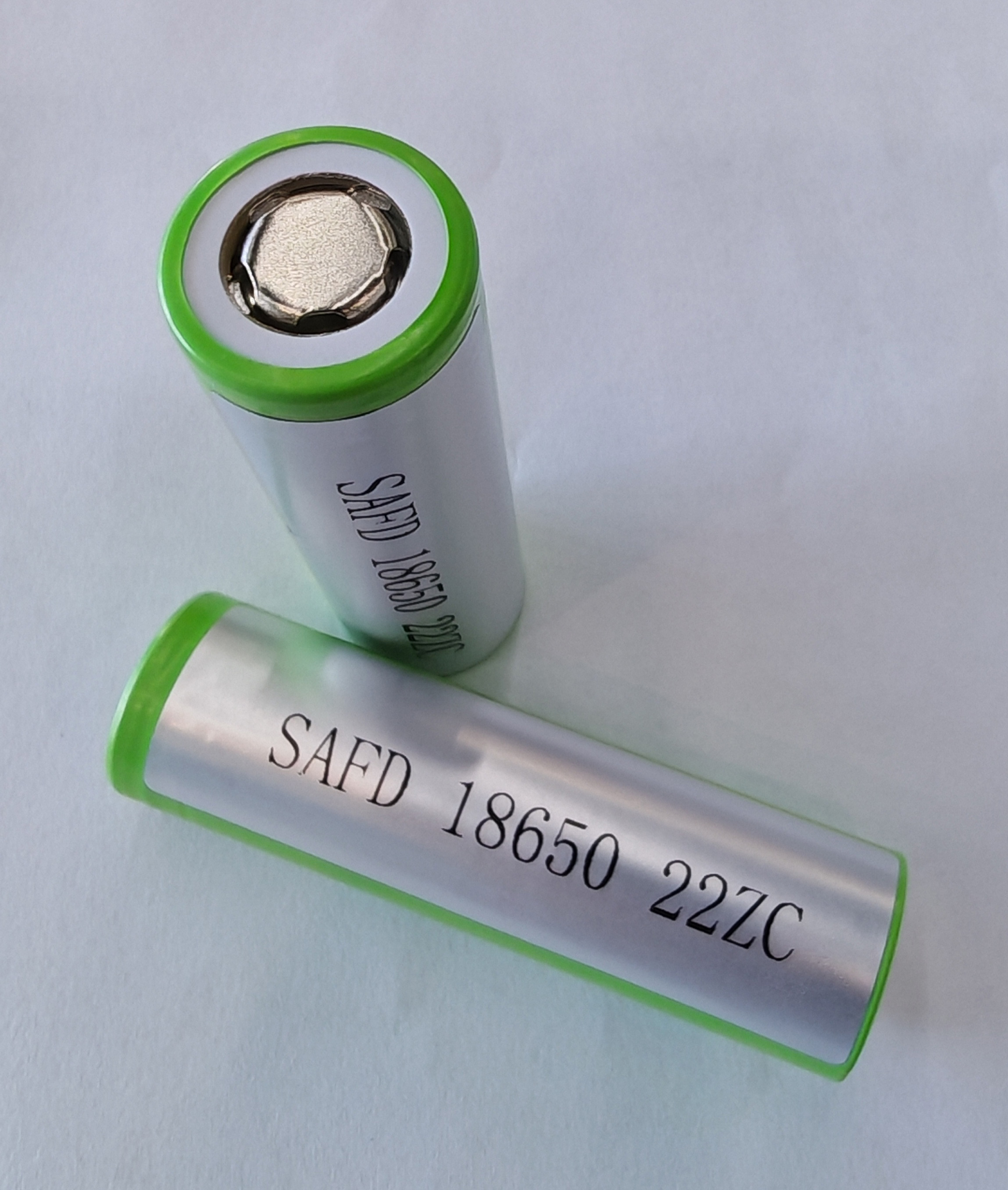
Fearless of puncture, hardcore explosion-proof, SAFD 18650 22ZC battery review
High safety and long life! SAFD 18650 22ZC battery cell is the new first choice for the two-wheel travel 3C digital market!