What is an 18650 battery?
2023-09-27
Lithium-ion battery: Lithium-ion battery has the advantages of light weight, large capacity, and no memory effect, so it is widely used - many digital devices use lithium-ion batteries as power sources, although they are relatively expensive. Lithium-ion batteries have high energy density, 1.5 to 2 times the capacity of nickel-metal hydride batteries of the same weight, and have extremely low self-discharge rates. In addition, lithium-ion batteries have almost no "memory effect" and do not contain toxic substances. These advantages are also important reasons for their wide application.
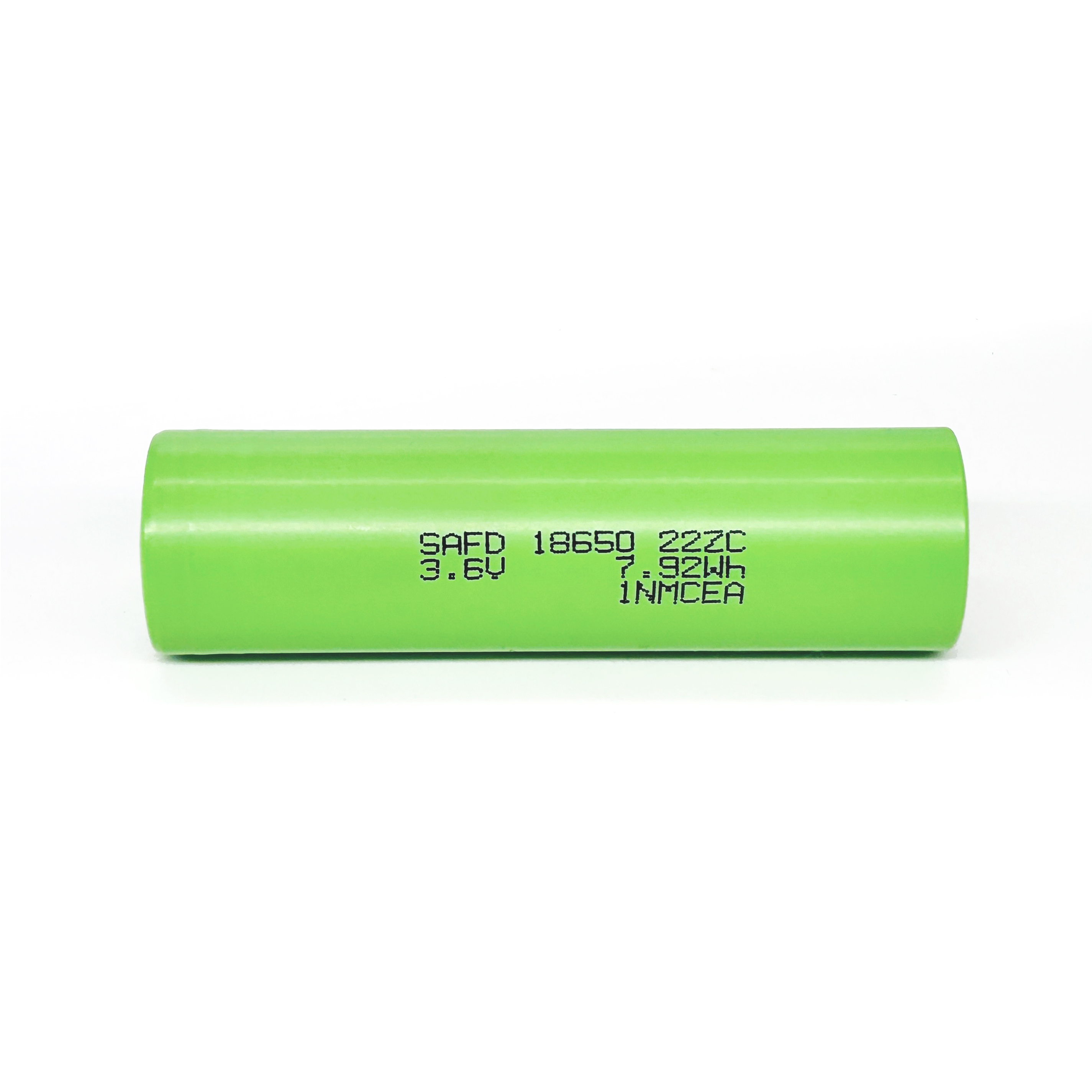
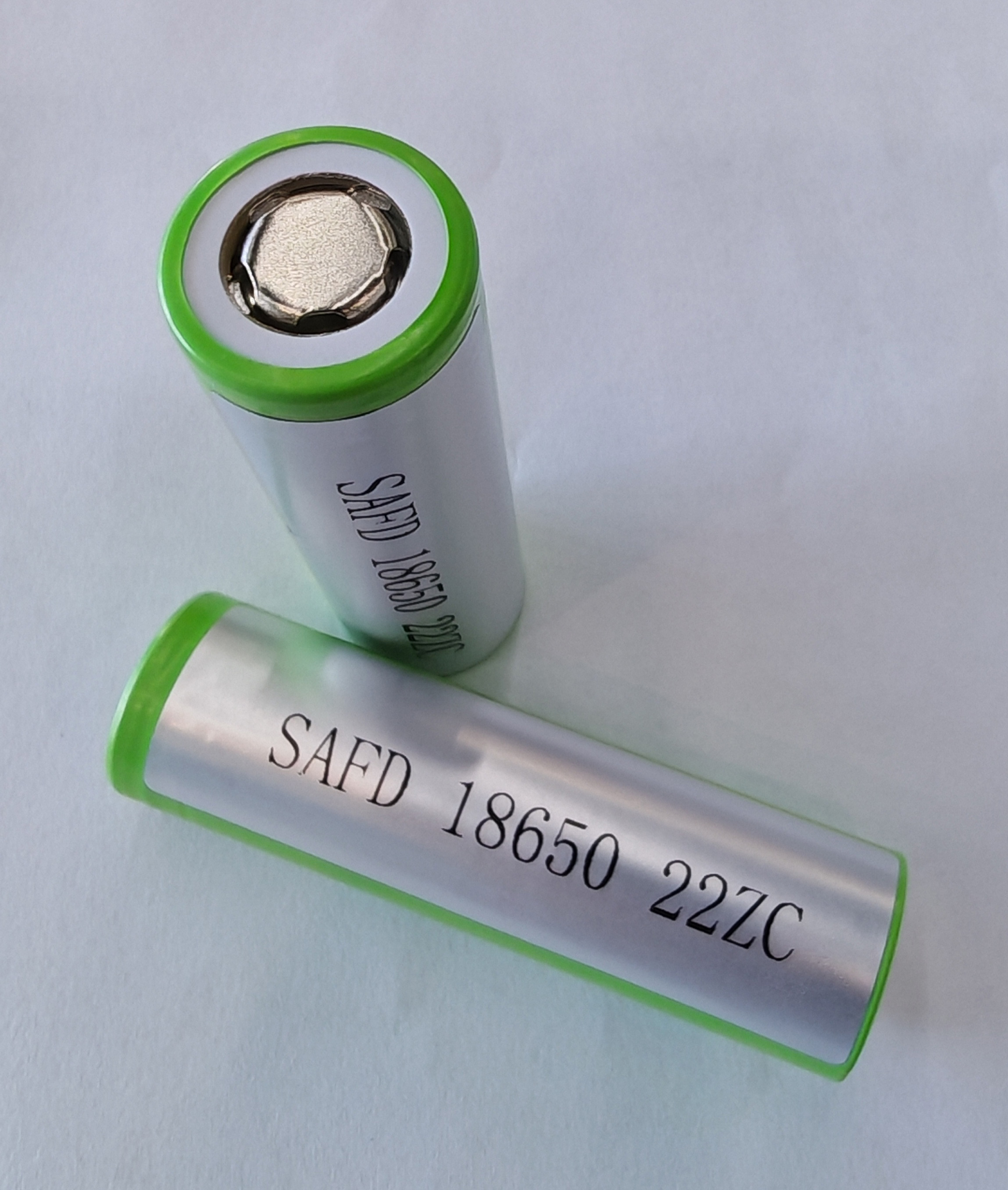
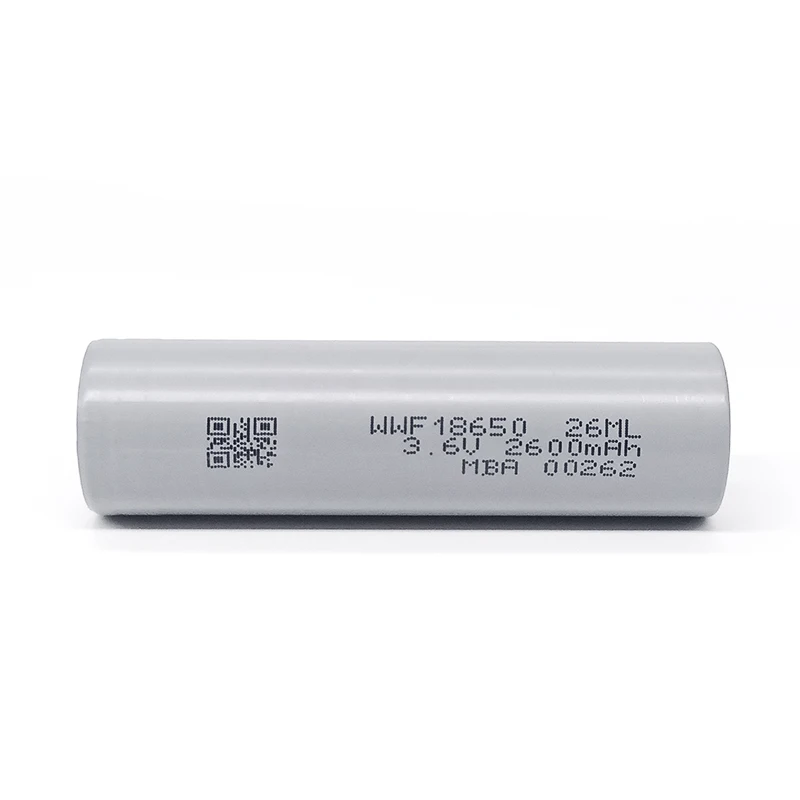
18650 lithium battery
18650 is the originator of lithium-ion batteries - in order to save costs, the Japanese SONY company has formulated a standard lithium-ion battery model, where 18 means a diameter of 18mm, 65 means a length of 65mm, and 0 means a cylindrical battery. 18650 means 18 mm in diameter and 65 mm in length. The AA battery model is 14500, with a diameter of 14 mm and a length of 50 mm. Generally, 18650 batteries are used more in industry and less in civilian use. They are often used in laptop batteries and high-end flashlights.Common 18650 batteries are divided into lithium-ion batteries and lithium iron phosphate batteries. The nominal voltage of lithium-ion battery is 3.7V and the charging cut-off voltage is 4.2V. The nominal voltage of lithium iron phosphate battery is 3.2V and the charging cut-off voltage is 3.6V. The capacity is usually 1200mAh-3350mAh, and the common capacity is 2200mAh-2600mAh. The theoretical life of 18650 lithium battery is 1000 charging cycles.
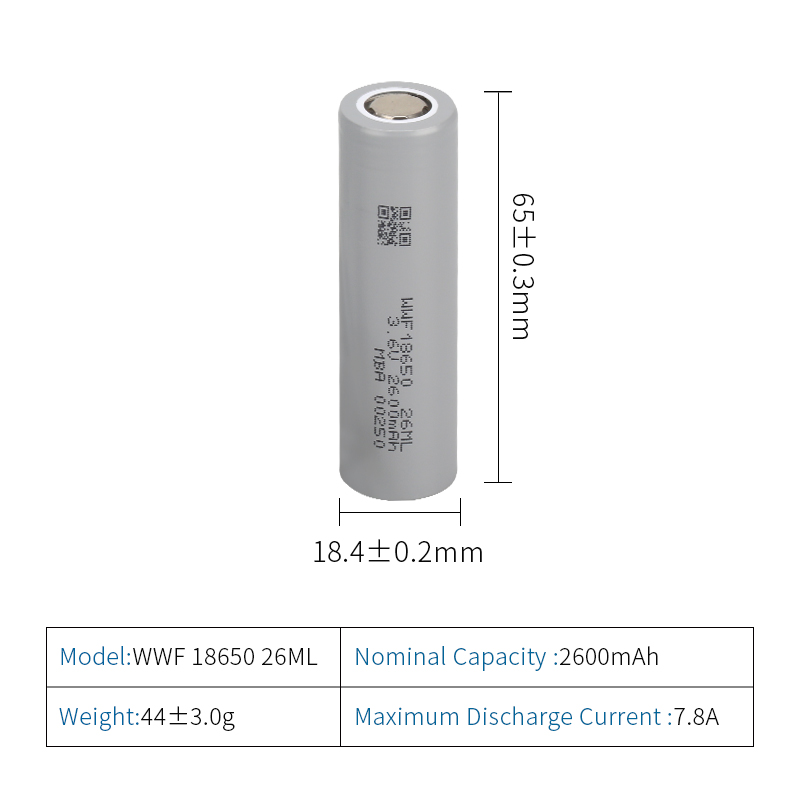
18650 lithium battery has a very large capacity per unit density, so it is mostly used in laptop batteries. In addition, because 18650 has very good stability at work, it is widely used in various major electronic fields: it is often used in high-end bright flashlights, portable Power supply, wireless data transmission, electric warm clothes, shoes, portable instruments, portable lighting equipment, portable printers, industrial instruments, medical instruments, etc.Lithium battery standard 3.7V or 4.2V is the same. It's just the manufacturer's labeling that's different. 3.7V refers to the platform voltage (ie typical voltage) when the battery is discharged during use, while 4.2V refers to the voltage when fully charged. The common rechargeable 18650 lithium battery has a voltage standard of 3.6 or 3.7v. It is fully charged at 4.2v and has little to do with power (capacity). The mainstream capacity of 18650 batteries ranges from 1800mAh to 2600mAh (18650 power battery capacity is greater than 2200~2600mAh). The mainstream capacity even has standard 3500 or 4000mAh or more.
It is generally believed that when the no-load voltage of a lithium battery is below 3.0V, it will run out of power (the specific value depends on the threshold of the battery protection board, such as as low as 2.8V or 3.2V) 5). When discharging most lithium batteries, the no-load voltage cannot be lower than 3.2V, otherwise over-discharge will damage the battery (generally lithium batteries on the market are basically equipped with protective plates, so over-discharge will also cause the protective plates to fail to work properly) Detection to the battery, making it impossible to charge the battery). 4.2V is the highest limit voltage for battery charging. It is generally believed that the no-load voltage of lithium batteries is charged to 4.2V. During the battery charging process, the battery voltage gradually rises from 3.7V to 4.2V. When charging lithium batteries, do not charge the no-load voltage to 4.2V. Above 4.2V, otherwise the battery will be damaged. This is the special feature of lithium batteries.
Advantage
1. The capacity of 18650 lithium battery is generally between 1200mah and 3600mah. Generally, the battery capacity is only about 800mah. If combined into a 18650 lithium battery pack, the 18650 lithium battery pack can easily exceed 5000mah.
2. Long life: The 18650 lithium battery has a very long life, with a normal cycle life of more than 500 times, which is more than twice that of ordinary batteries.
3. High safety performance: 18650 lithium battery has high safety performance. In order to prevent battery short circuit, the positive and negative electrodes of 18650 lithium battery are separated. So the possibility of short circuit has been reduced to the extreme. A protective plate can be installed to prevent overcharging and over-discharging of the battery, which can also extend the service life of the battery.
4. High voltage: The voltage of 18650 lithium battery is generally 3.6V, 3.8V and 4.2V, which is much higher than the 1.2V voltage of nickel-cadmium and nickel-metal hydride batteries.
5. No memory effect, no need to drain the remaining power before charging, easy to use.
6. Small internal resistance: The internal resistance of polymer batteries is smaller than that of ordinary liquid batteries. The internal resistance of domestic polymer batteries can even be below 35mΩ, which greatly reduces the power consumption of the battery and extends the service life of the battery. . The standby time of the mobile phone can fully meet international standards. This polymer lithium battery that supports large discharge current is ideal for remote control models and has become the most promising alternative to nickel-metal hydride batteries.
7. 18650 lithium battery packs can be combined in series or combined
8. Rechargeability: 18650 lithium battery is rechargeable and can be charged and discharged multiple times. This makes them an environmentally friendly and affordable battery option as they can replace disposable batteries and reduce emissions.
9. Standardized sizes: The standard size configuration of 18650 batteries can be used interchangeably, replaced and maintained in many applications.
10.Wide range of use:It can be used in laptop computers, walkie-talkies, portable DVDs, instruments, audio equipment, model aircraft, toys, video cameras, digital cameras and other electronic equipment.
shortcoming:
1. Fixed volume:The biggest disadvantage of the 18650 lithium battery is that its size has been fixed, and the positioning is not very good when installed on some notebooks or some products. Of course, this shortcoming can also be said to be an advantage, that is, it is different from other lithium batteries such as polymer lithium batteries. This is a drawback compared to the customizable and expandable sizes. And it has become an advantage over some products with specified battery specifications.
2. Lines must be protected:The production of 18650 lithium batteries requires protective lines to prevent the battery from being overcharged and causing discharge.
3. Strict production requirements:The production conditions of 18650 lithium batteries are relatively high. Compared with the production of general batteries, the production conditions of 18650 lithium batteries are very high, which undoubtedly increases the production cost.
Why do electric car lithium batteries explode?
What is a 21700 lithium-ion battery?