Why do electric car lithium batteries explode?
2023-09-28
Due to the popularity of lithium batteries, many electric vehicles on the market now use lithium batteries, which has also caused accidents in which lithium batteries explode and cause casualties. What is the reason for this?
Explosions or fires in lithium-ion batteries in electric vehicles are basically caused by thermal runaway. Thermal runaway occurs when the internal temperature of a battery rises uncontrollably, causing a chain reaction that can lead to catastrophic failure.
Several factors can cause thermal runaway in lithium-ion batteries:
- Overheating: High temperatures, whether due to external factors such as exposure to extreme heat or internal factors such as rapid charging or discharging, can increase the risk of thermal runaway. Excessive heat can damage the battery's internal components and trigger a thermal runaway event.
- Physical damage: Physical damage to the battery, such as punctures, cracks, or impacts, may compromise the integrity of the battery's protective coating. This may cause internal short circuits and heating.
- Overcharging or Overdischarging: Charging a lithium-ion battery beyond its design voltage limit or discharging it too deeply can cause internal damage and potential thermal runaway.
- Internal short circuit: Foreign objects or contaminants inside the battery can cause a short circuit between the positive and negative terminals of the battery, thereby generating excess heat.
It is important to note that while thermal runaway events can occur, modern electric vehicles (EVs) are equipped with numerous safety features and systems to mitigate these risks. A battery management system (BMS) monitors and controls the battery's temperature, voltage, and current to prevent unsafe conditions. In addition, electric vehicle manufacturers implement strict safety standards and testing procedures to reduce the possibility of thermal runaway events.
However, the risk is not zero and events can still occur, albeit rarely. It is important for electric vehicle owners to minimize the risks associated with lithium-ion batteries by following the manufacturer's charging recommendations, avoiding physical damage to the battery, and watching for signs of potential battery problems, such as rapid overheating or unusual behavior.
18650 lithium battery hibernation activation problem
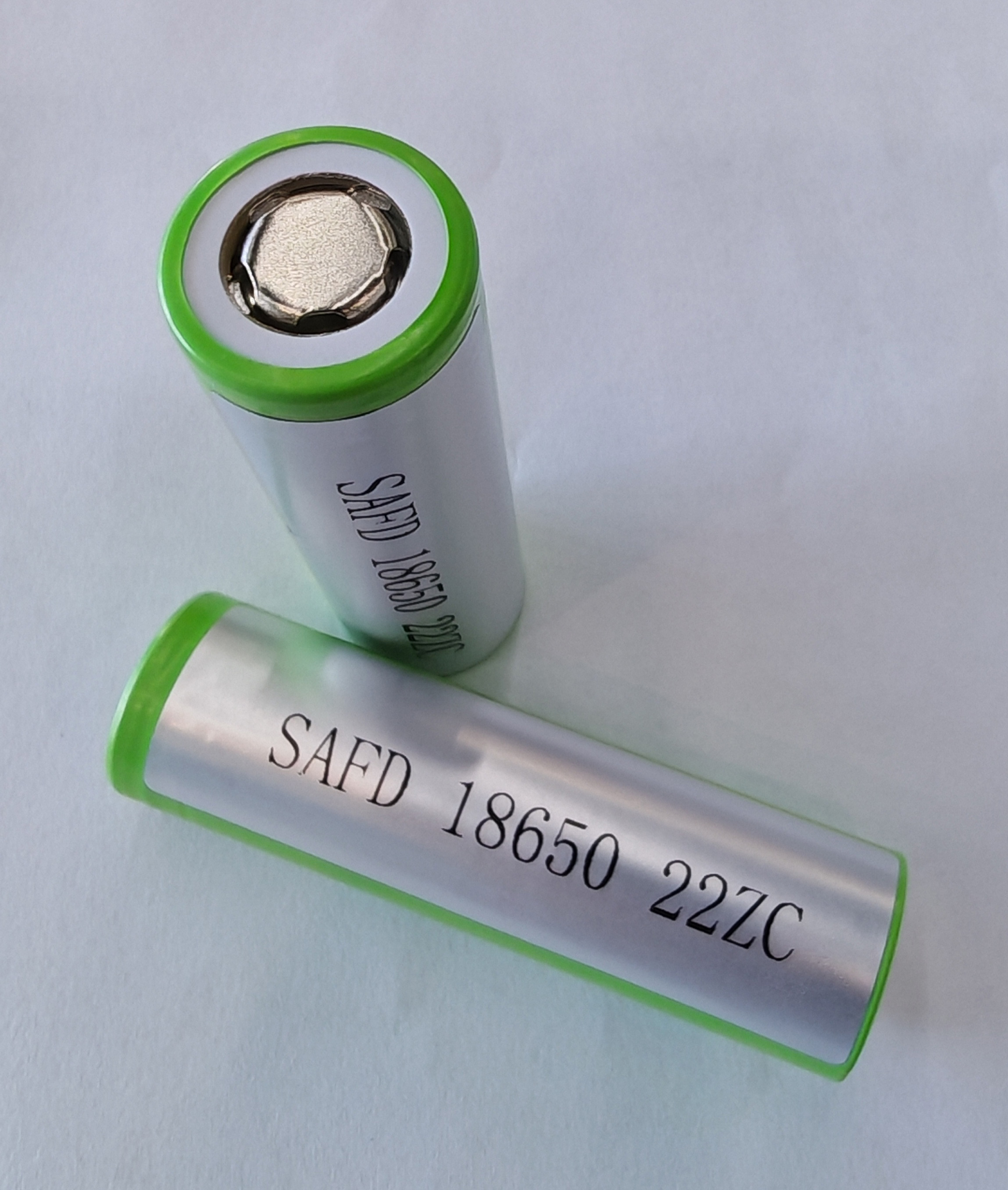
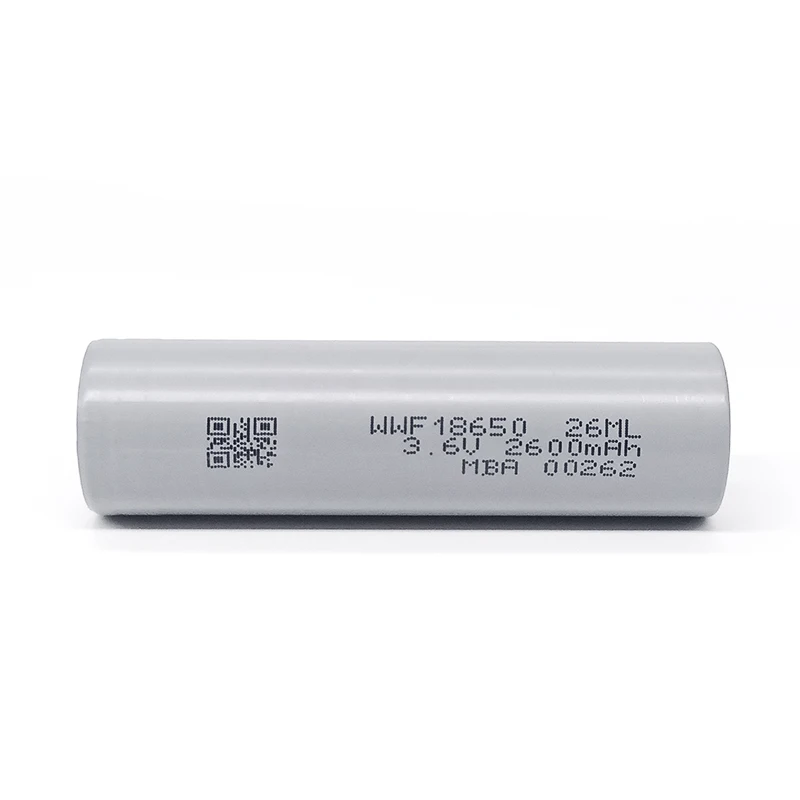
What is an 18650 battery?