What are the factors affecting the self-discharge of lithium batteries?
2023-12-23
Self-discharge of lithium batteries means that the battery gradually loses power when not in use.
The following factors can cause self-discharge of lithium batteries:
- temperature:
High temperatures will accelerate self-discharge. Increased temperatures increase the rate of chemical reactions within the battery, causing the stored energy to be depleted more quickly.
- State of charge (SOC):
The higher the state of charge, the generally higher the self-discharge rate. Batteries with higher remaining capacity self-discharge faster than batteries with lower capacity.
- Chemical type:
Different lithium battery chemistries exhibit different self-discharge rates. For example, lithium-ion batteries generally have lower self-discharge rates compared to some other lithium-based chemistries.
- Impurities and contaminants:
Impurities or contaminants present in the battery can catalyze unnecessary reactions, leading to increased self-discharge.
- Battery design:
The internal design of a battery, including the type of electrolyte used and electrode materials, affects the self-discharge rate. Advances in battery design aim to minimize self-discharge.
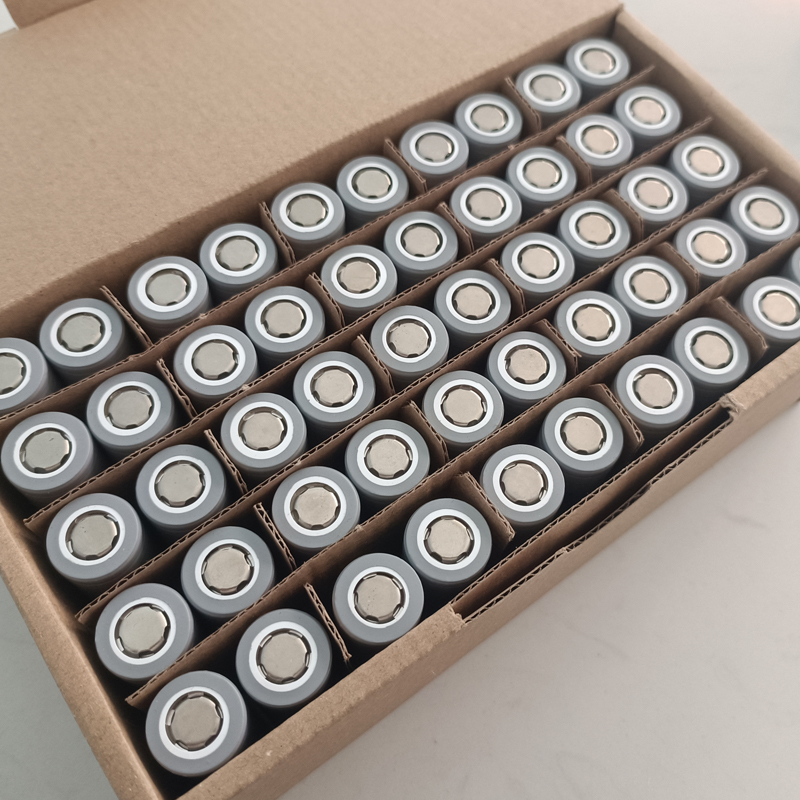
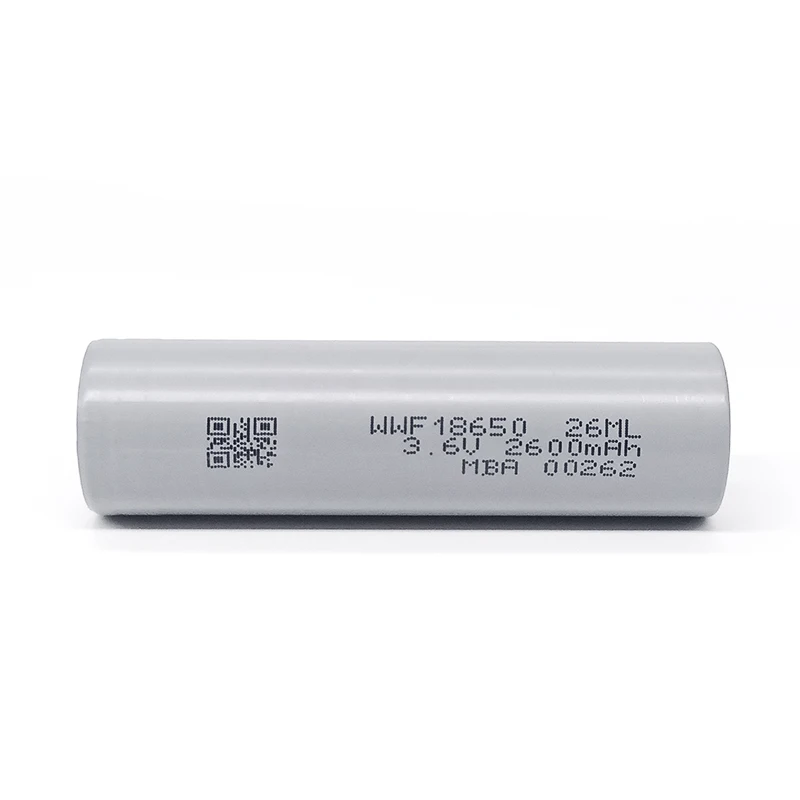
WORWORF-18650 Low-temperature lithium battery
- Storage conditions:
Storing batteries in humid or extreme environmental conditions can affect their self-discharge rate. It is recommended to store lithium batteries in a cool, dry place to minimize self-discharge.
- Age and cycle life:
As lithium batteries age and undergo charge and discharge cycles, their internal components can degrade, causing increased self-discharge.
- Battery balancing:
In a multi-cell battery pack, if the cells are unbalanced, the self-discharge rate of each cell may vary. Proper cell balancing helps maintain an even charge level and reduces self-discharge.
- Passivation:
Over time, a thin passivation layer forms on the electrodes, reducing the efficiency of the electrochemical reaction and causing self-discharge.
- Storage voltage:
The storage voltage of a lithium battery affects its self-discharge rate. Storing batteries at lower voltages mitigates self-discharge.
Understanding and addressing these factors during battery design, manufacturing and use can help minimize self-discharge of lithium batteries and improve their overall performance and service life.
introduction to lithium battery knowledge--lithium battery parameters and precautions
Normal discharge can still be achieved at -40℃, WORWORF 18650 32ML cell evaluation