What factors need to be considered when customizing lithium batteries?
2024-02-28
When customizing a lithium battery, whether for commercial or personal use, there are several important factors to consider to ensure safety, reliability and optimal performance.
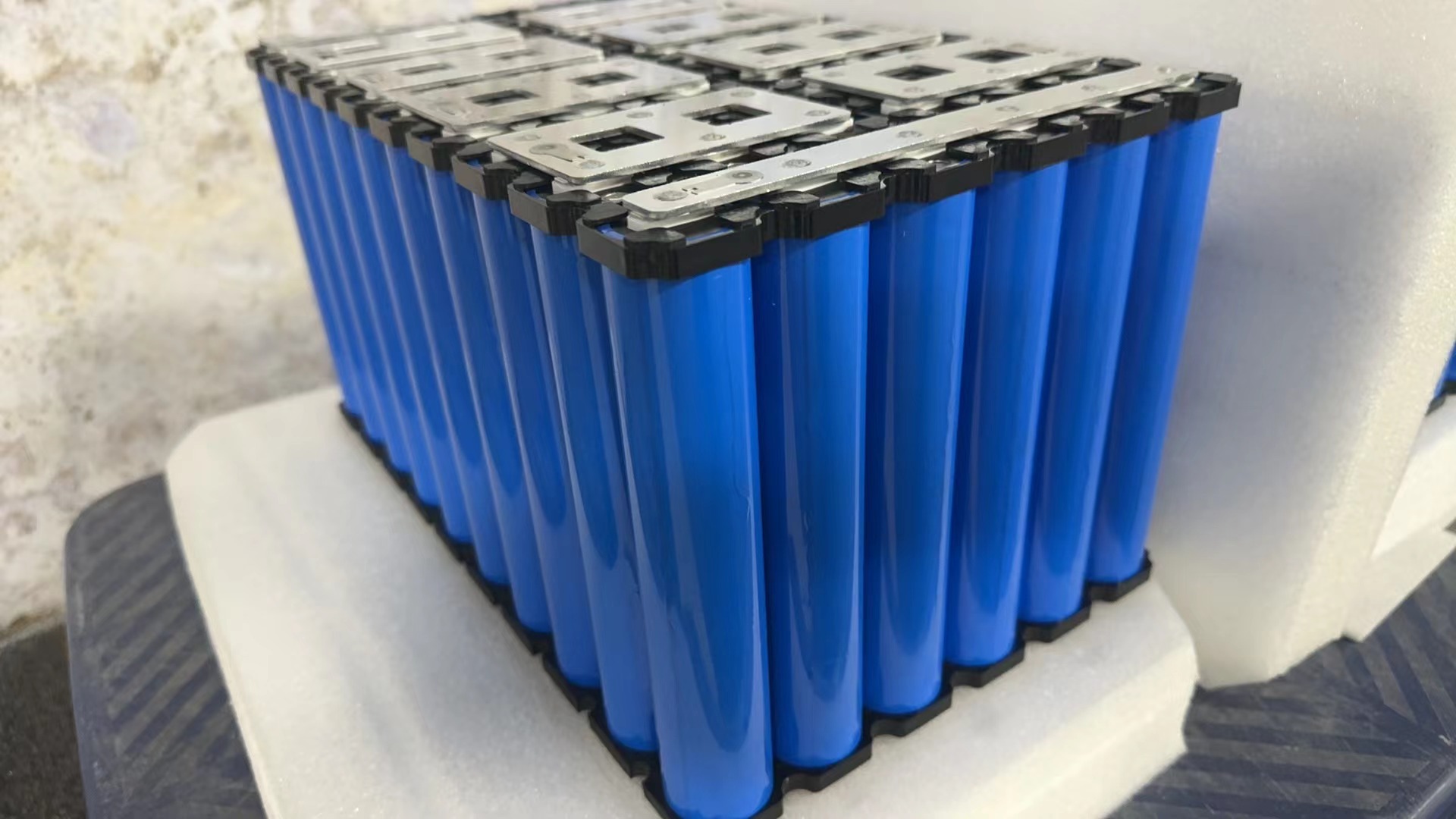
The following are the main considerations:
1. Battery components: Lithium-ion batteries have a variety of chemical components, such as lithium cobalt oxide (LiCoO2), lithium manganate (LiMn2O4), lithium iron phosphate (LiFePO4), etc. Each chemical component has different properties in terms of energy density, safety and cost. The choice depends on the specific requirements of the application.
2. Voltage and capacity: Determine the required voltage and capacity of the battery based on the power demand and usage time. Matching battery specifications to device requirements is critical.
3. Physical size and shape: The size and shape of the battery must fit within the available space within the device or application. Custom configuration may be required to accommodate specific dimensions.
4. Safety precautions: Lithium batteries can be dangerous if not handled properly. Safety features such as protection circuits, thermal controls, and pressure relief valves should be incorporated into battery designs to prevent overcharging, overdischarging, and thermal runaway.
5. Usage environment: Consider the temperature range, humidity and other environmental factors in which the battery is used. Choose battery components and materials that can withstand the expected operating conditions.
6. Cycle life and durability: Determine the expected number of charge-discharge cycles a battery should withstand over its lifetime. High-quality materials and construction methods help extend cycle life and improve durability.
7. Charging requirements: Specify charging voltage, current and charging algorithm suitable for battery chemistry to ensure safe and efficient charging. Overcharging or undercharging can shorten battery life and pose safety risks.
8. Discharge rate: Consider the maximum discharge rate required for the application. Some lithium batteries are designed for high discharge rates, while others prioritize energy density and longevity.
9. Cost: Due to customization and quality requirements, custom lithium batteries can be more expensive than off-the-shelf options. Balance performance and cost considerations to achieve desired results within budget constraints.
10. Manufacturing and supply chain: Consider the availability of raw materials, manufacturing processes, and supply chain logistics involved in producing custom lithium batteries. Work with reputable suppliers and manufacturers to ensure quality and reliability.
By carefully considering these factors during the customization process, you can develop a lithium battery solution that meets the specific requirements of your application while prioritizing safety, reliability and performance. This is also the reason why you need to know more data when customizing lithium battery packs. Only with more detailed data can you make products that meet customer expectations.
Drone cryogenic battery pack
What are the advantages and disadvantages of lithium batteries?