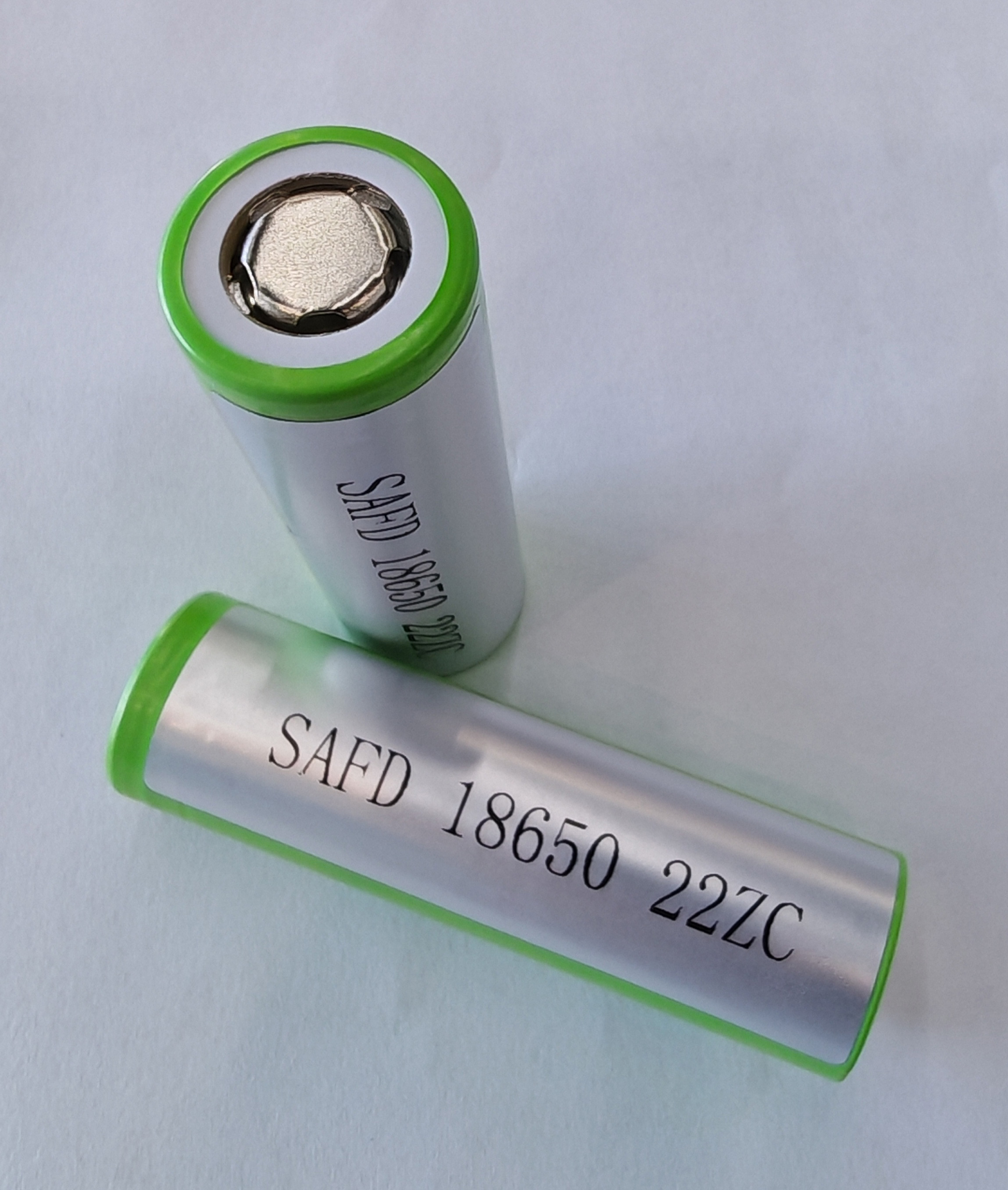
How do you test lithium batteries?
Methods for testing lithium batteries can vary depending on the specific testing needs and battery type. Here are some common testing methods:
1. Voltage test:
Use a digital voltmeter or multipurpose battery tester to select the appropriate voltage range.
Connect the positive terminal of the tester to the positive terminal of the battery and the negative terminal to the negative terminal of the battery.
Measure the battery's open circuit voltage and record the results. Typically, a well-charged lithium-ion battery should have a voltage close to its rated voltage, but this can be affected by temperature and usage conditions.
2. Capacity test:
Use the charger to fully charge the battery, and make sure the charger and battery are connected correctly and securely.
Connect a fully charged battery to a load device such as a constant current arrester or electronic load.
Record the voltage and discharge time of the battery during the discharge process, and draw the current-time curve or voltage-time curve.
Calculate the battery's capacity, usually in milliampere hours (mAh), from a current-time curve or a voltage-time curve. Note that actual capacity may be affected by factors such as discharge current, ambient temperature, and battery status.
3. Cycle life test:
Use a battery management system or cycle charge and discharge device to cycle the battery multiple times.
Record charging and discharging parameters for each cycle, including current, voltage, and capacity.
Analyze cycle test results to evaluate battery cycle life and performance degradation.
4. Internal resistance test:
Use an internal resistance test instrument and connect the test equipment according to the instrument instructions.
Run the internal resistance test program to measure the internal resistance of the battery.
Analyze internal resistance test results to evaluate battery performance and health.
5. Security test:
Conduct testing in a safe laboratory environment ensuring adequate ventilation and fire protection equipment.
Be aware of the heat and gases that may be generated during charging and discharging of the battery.
During the test, pay attention to whether the battery has any abnormal conditions, such as overheating, leakage, smoke, etc., stop the test in time and take safety measures.
Before conducting any test, be sure to carefully read the instructions of the device and battery, and strictly abide by the relevant operating procedures and safety guidelines to ensure the safety and accuracy of the test process.
Why does overcharging damage the battery?
BYD 4680 Lifepop4 Battery