What are the advantages and disadvantages of using lithium-ion batteries for electric scooters?
2024-05-14
There are several advantages to using lithium-ion batteries in electric scooters, but there are also some disadvantages to consider:
Advantage:
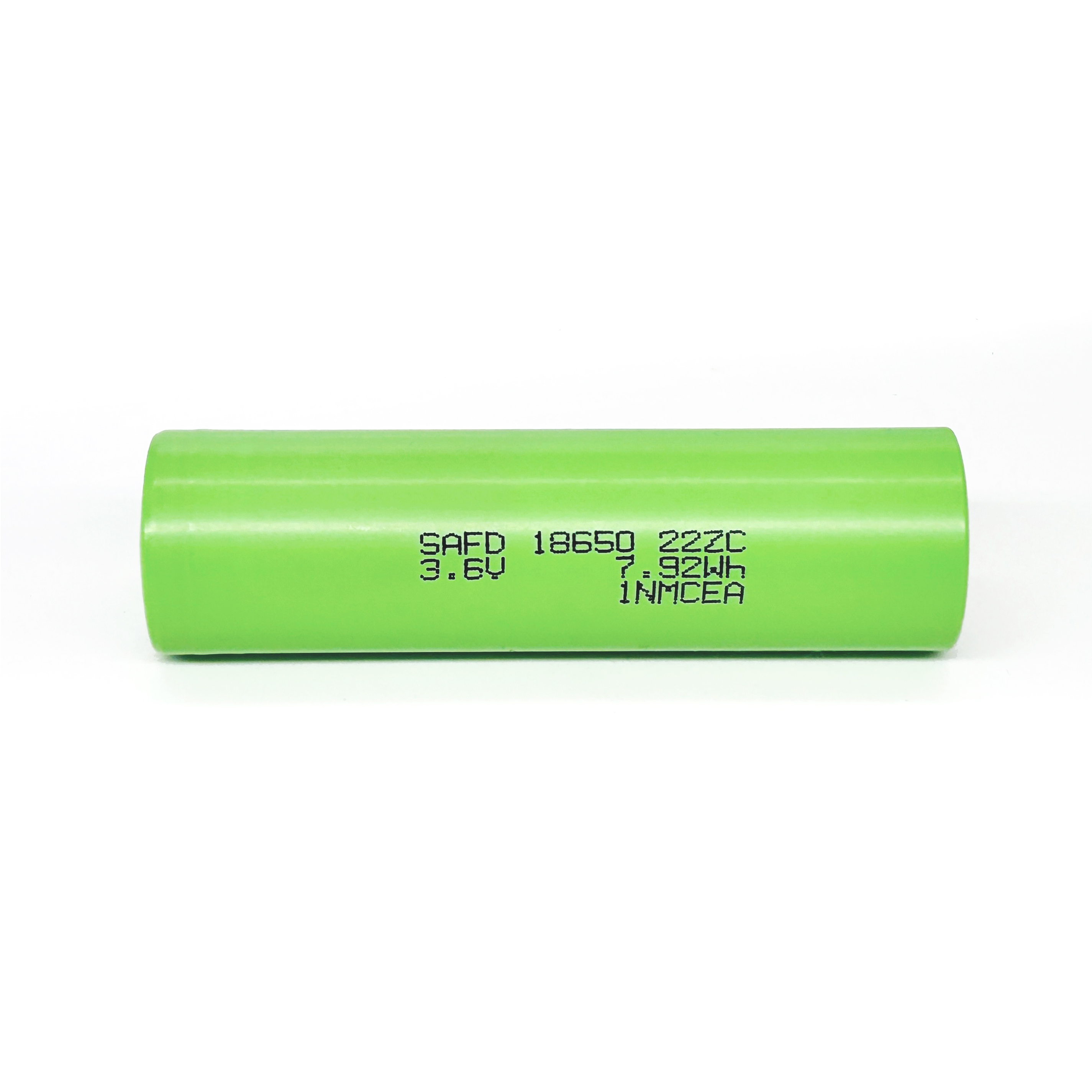
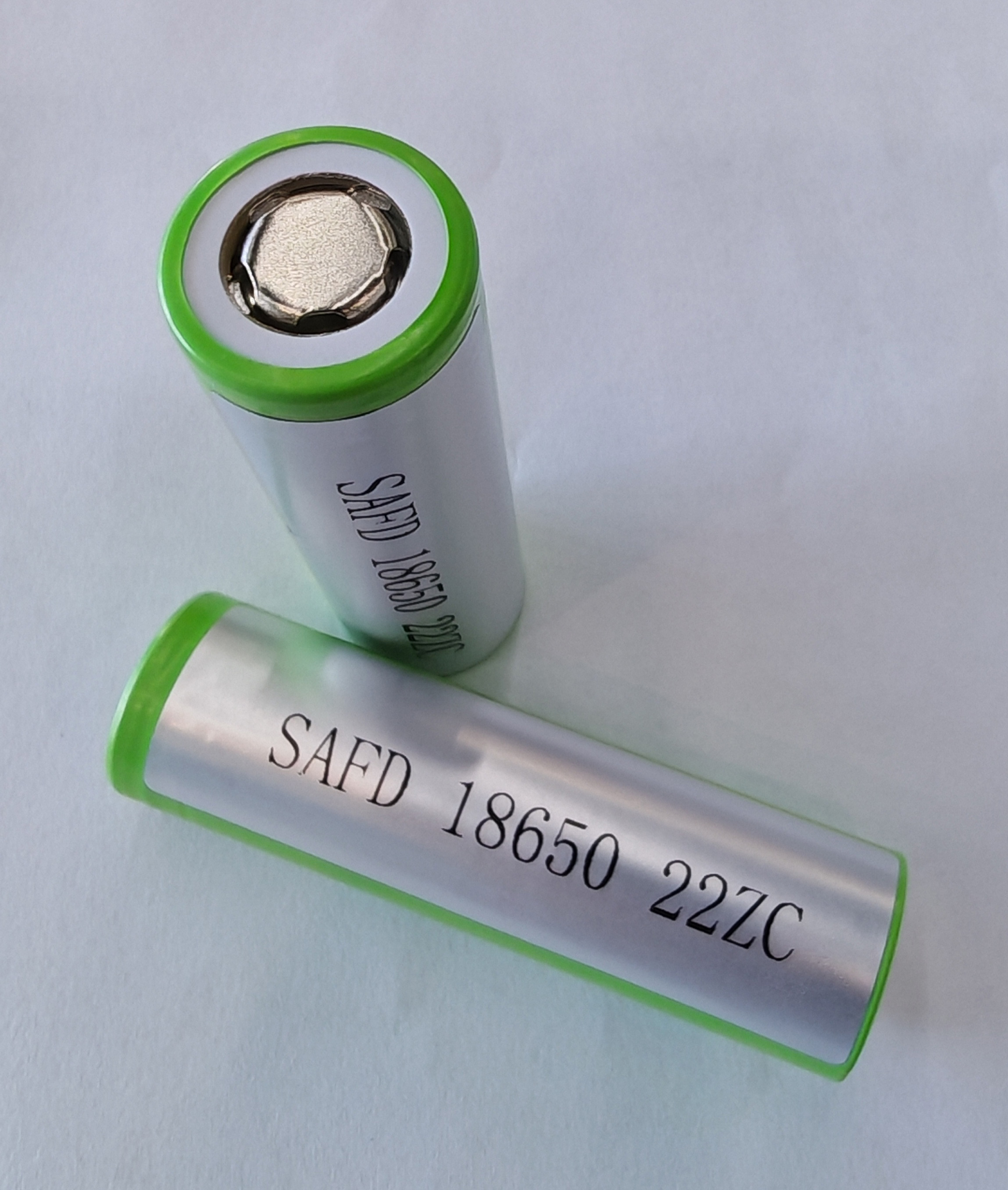
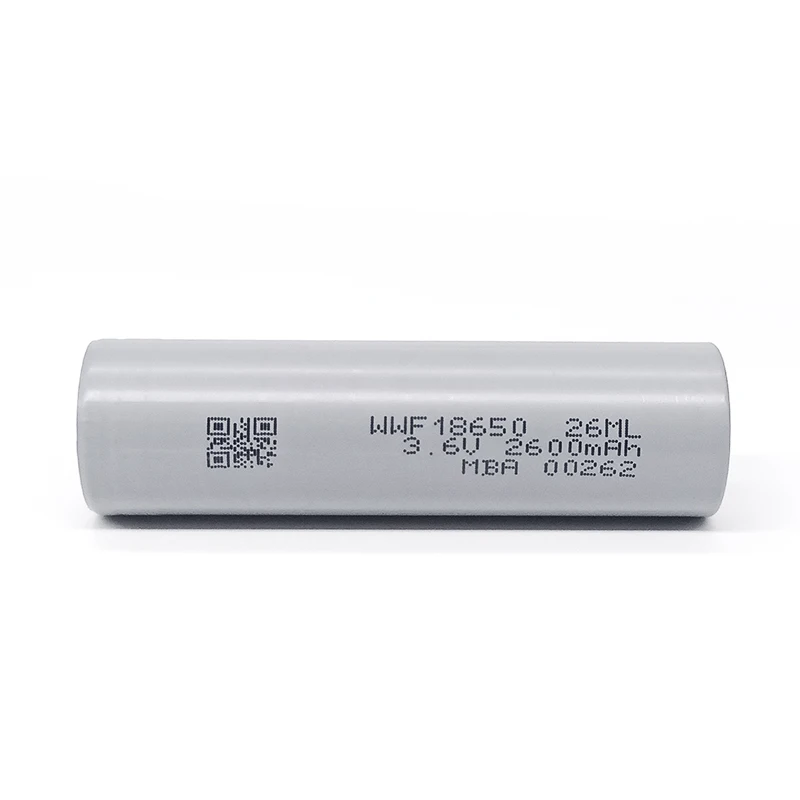
1. High energy density: Lithium-ion batteries have high energy density, which means they can store large amounts of energy in a relatively small and lightweight package. This gives the e-scooter a longer range and an overall lighter weight compared to other types of batteries.
1. High energy density: Lithium-ion batteries have high energy density, which means they can store large amounts of energy in a relatively small and lightweight package. This gives the e-scooter a longer range and an overall lighter weight compared to other types of batteries.
2. Long cycle life: Compared to other battery chemistries, lithium-ion batteries generally have a longer cycle life, which means they can withstand more charge and discharge cycles before their capacity drops significantly. This can extend the life of the battery and the scooter overall.
3. Fast charging: Compared with other types of batteries, lithium-ion batteries charge relatively quickly, especially when equipped with fast charging technology. This enables e-scooter riders to charge their batteries in less time, increasing convenience and usability.
4. Low self-discharge rate: Lithium-ion batteries have a low self-discharge rate, which means they can retain a charge longer when not in use. This allows the electric scooter to be stored for long periods of time without the need for frequent charging.
shortcoming:
1. High cost: Lithium-ion batteries tend to be more expensive compared to other types of batteries, which increases the initial cost of an electric scooter. However, as technology advances and economies of scale improve, prices have been falling.
1. High cost: Lithium-ion batteries tend to be more expensive compared to other types of batteries, which increases the initial cost of an electric scooter. However, as technology advances and economies of scale improve, prices have been falling.
2. Safety Concerns: While lithium-ion batteries are generally safe when used correctly, they can pose safety risks if damaged, overcharged, or exposed to extreme temperatures. But lithium-ion battery fires or explosions are rare, although they are usually caused by misuse or manufacturing defects.
3. Limited supply of raw materials: Lithium-ion batteries rely on specific raw materials such as lithium, cobalt, and nickel, and these raw materials are not evenly distributed geographically. This could lead to supply chain challenges and price fluctuations, especially if demand for e-scooters increases rapidly.
Overall, while lithium-ion batteries offer many benefits for electric scooters, including high energy density, long cycle life, and fast charging, potential disadvantages such as cost, safety issues, and raw material availability must be considered when selecting this battery.
How to find the best lithium battery for an e-bike?
What is the difference between LiFePO4 battery and lithium battery?