How to find the best lithium battery for an e-bike?
2024-05-21
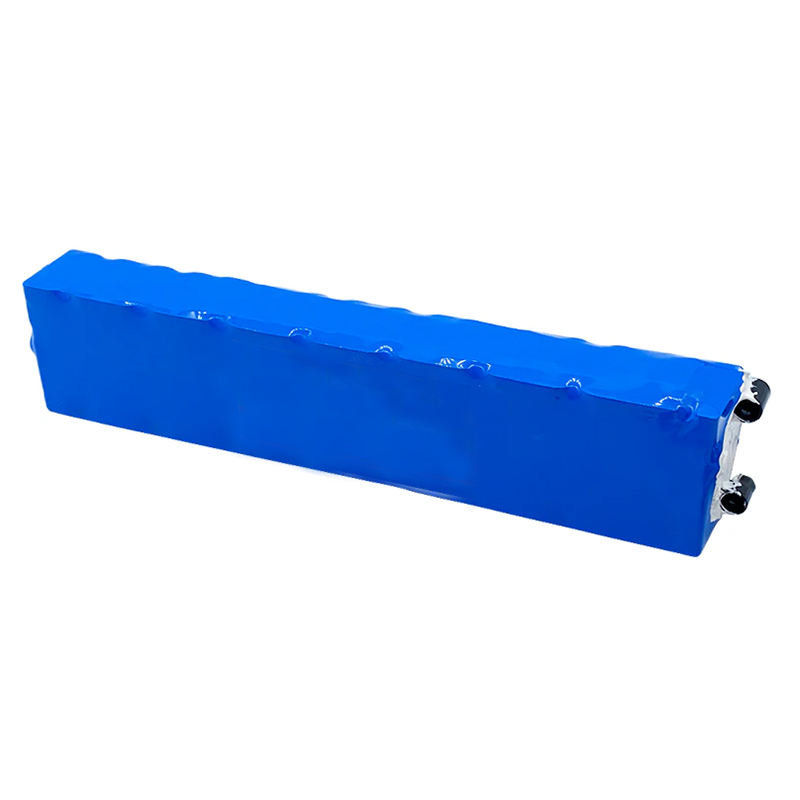
Several factors determine our lithium battery keyboards for electric bikes, including battery capacity, quality, compatibility, price, and reliability.
Here are the detailed steps and key points:
1. Determine battery type
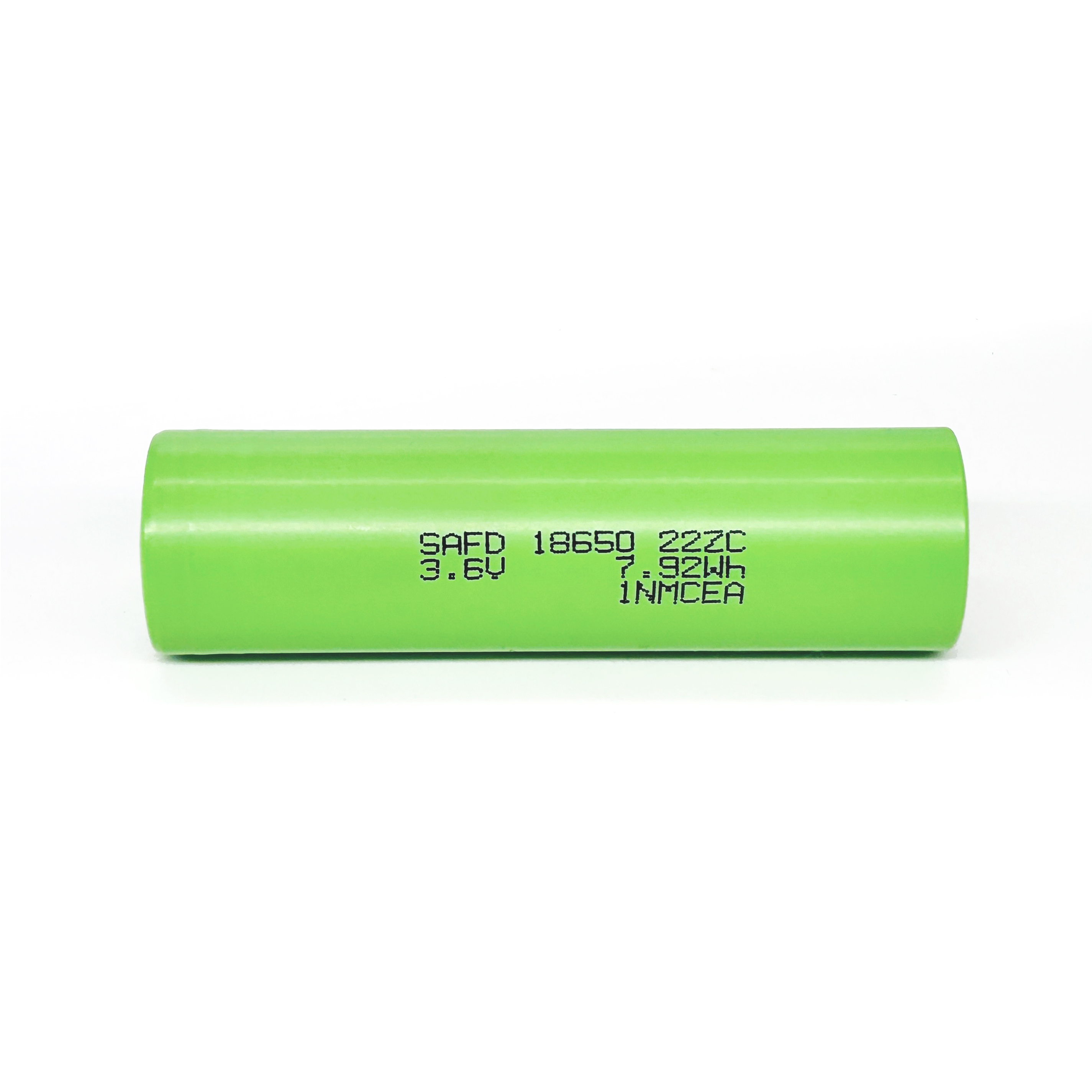
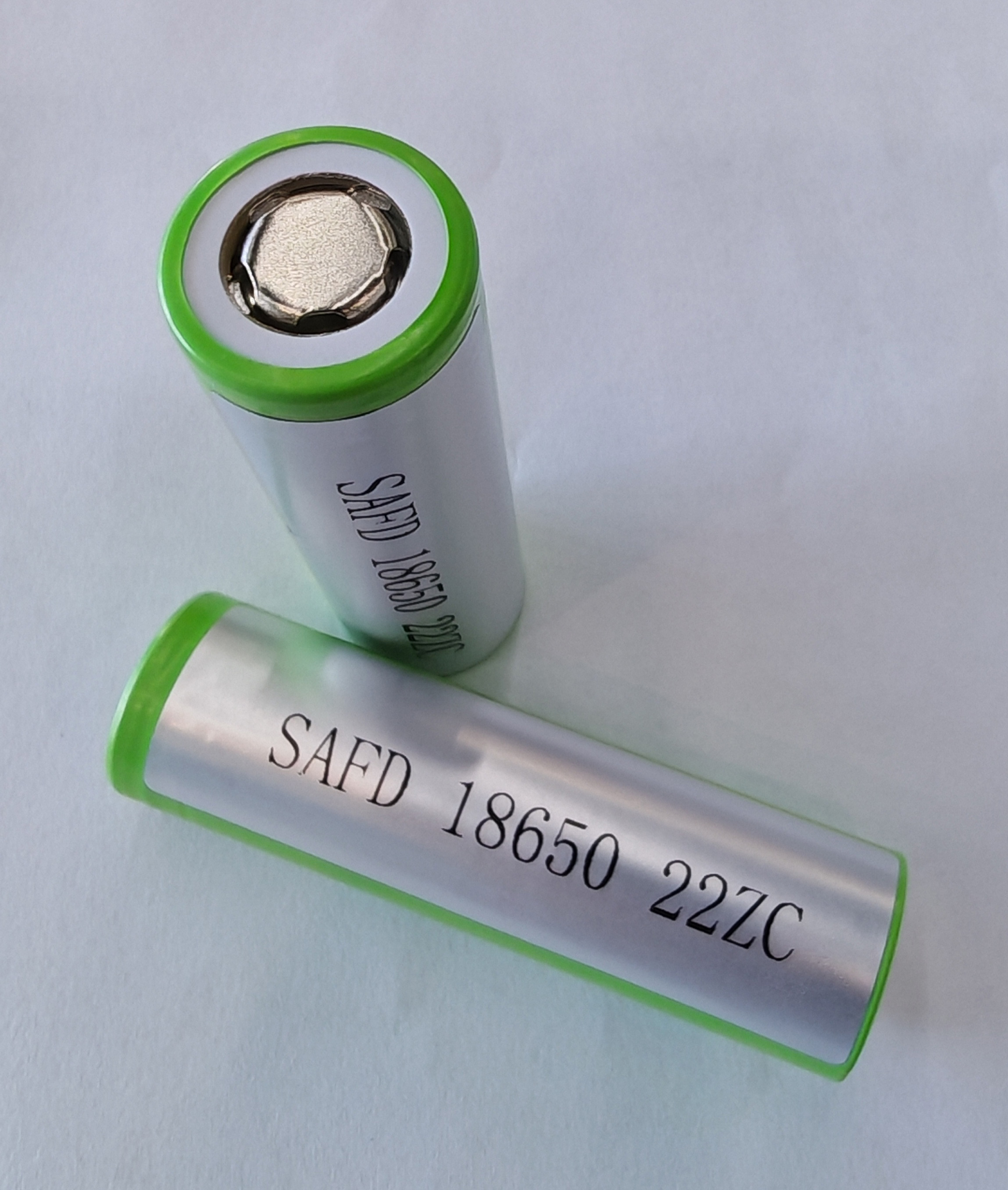
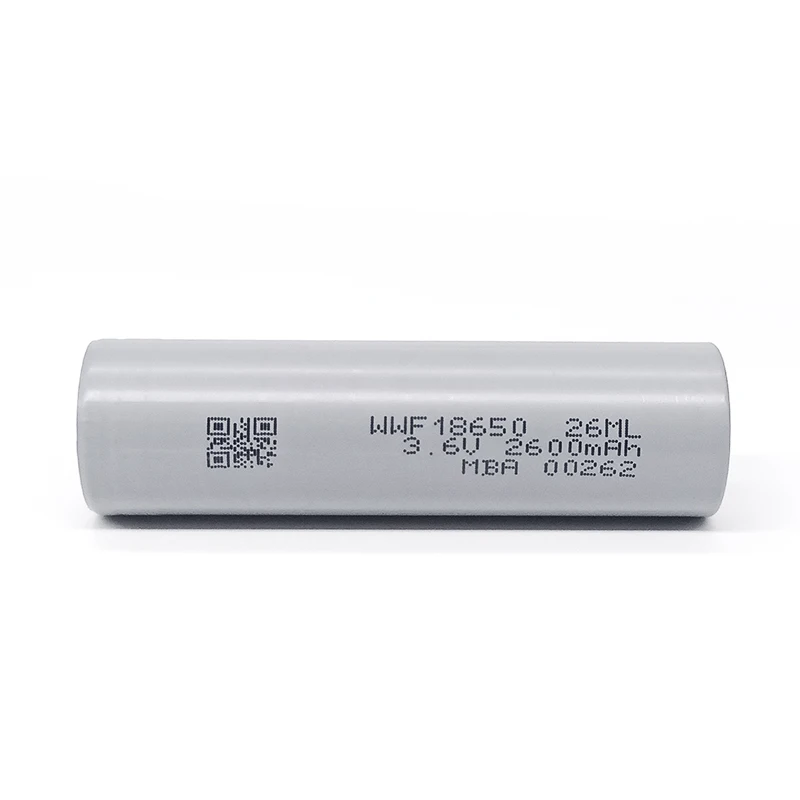
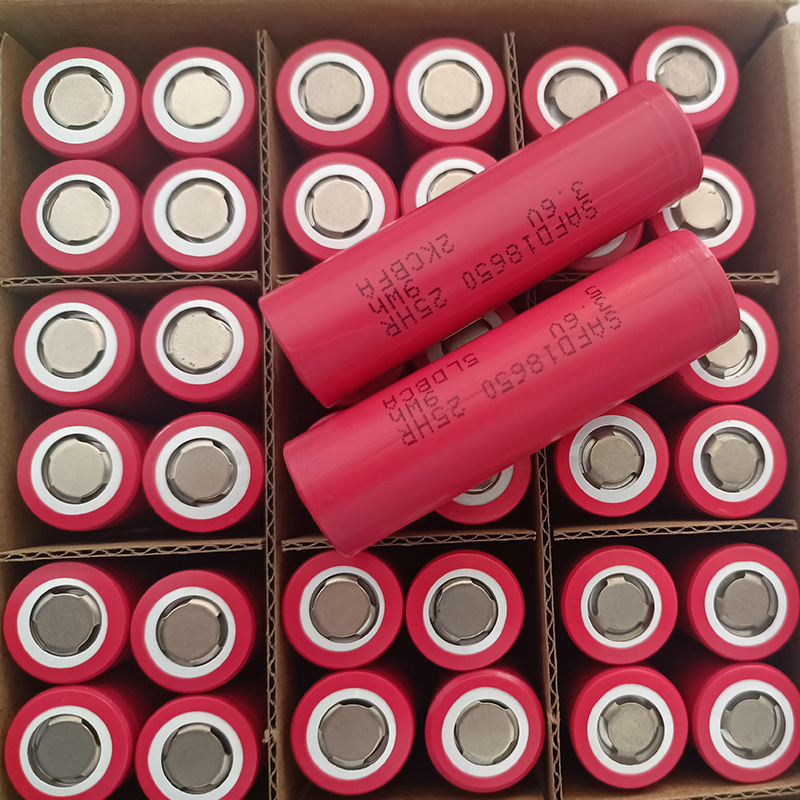
Electric bicycles usually use lithium-ion batteries (Li-ion) or lithium iron phosphate batteries (LiFePO4).
Both types of lithium batteries have their own pros and cons:
- Lithium-ion battery (Li-ion): It has high energy density, light weight and long battery life, but the price is second to the user.
- Lithium iron phosphate battery (LiFePO4): long life, good stability, high safety, but low energy density and increased weight.
2. Capacity (capacity and voltage)
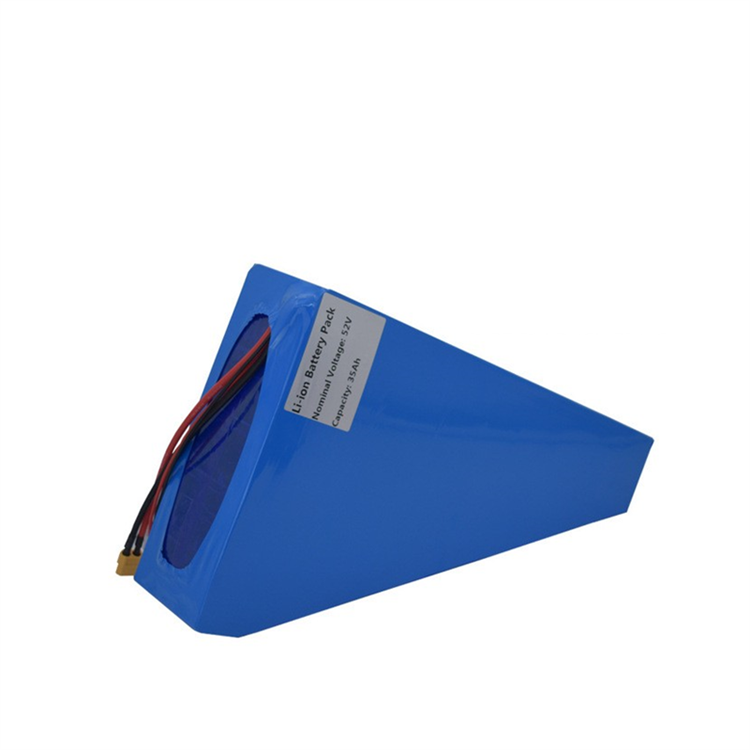
The capacity and voltage of the battery determine the mileage and power performance.
- Capacity (Ah): The larger the capacity, the longer the mileage. Choose the right capacity based on your riding needs. Generally speaking, the battery capacity of electric bicycles is between 10Ah and 20Ah.
- Voltage (V): Voltage regulation, equivalent power performance. Common voltages are 24V, 36V and 48V. Make sure the battery voltage is compatible with the e-bike's motor and controller.
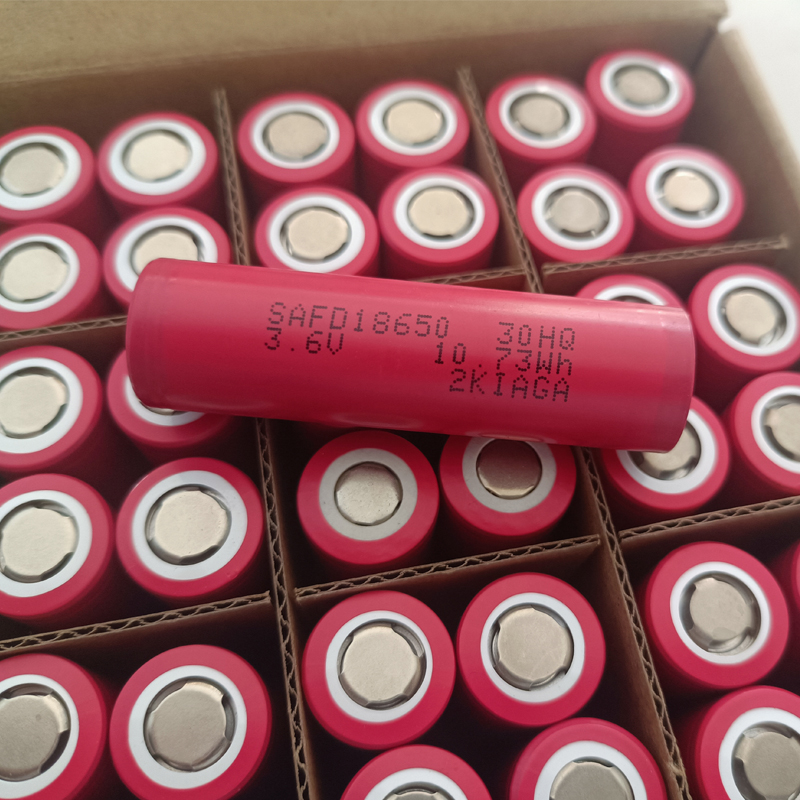
3. Brand and quality
Choose a brand of battery with higher quality and after-sales service. Some well-known brands include:
- Panasonic
- Samsung
- LG Chem
4. Compatibility
Make sure the battery is compatible with the e-bike's chosen motor, controller and charger. Preferably a battery that has the same specifications as the original battery or is recommended by the e-bike manufacturer.
5. Price and weight
The price difference between different brands and models of batteries increases. It's appropriate to choose a battery, but don't just look at the price, consider the quality and performance of the battery you choose.
6. Security
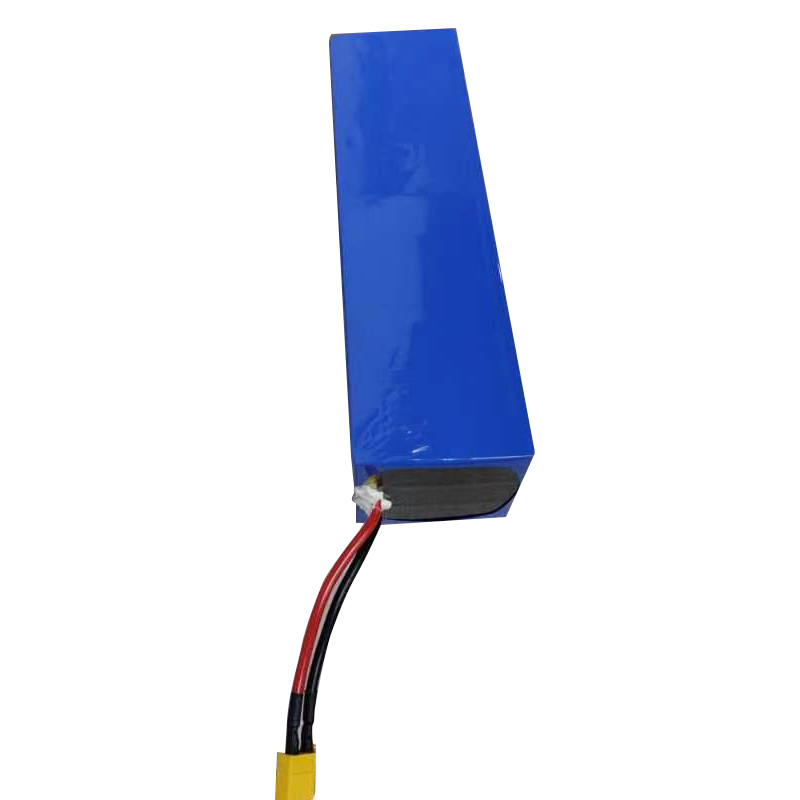
Lithium batteries present risks of overheating, explosion and fire. Choose a battery with the following safety features:
- Overcharge protection
- Over discharge protection
- Short circuit protection
- temperature protection
7. Warranty and after-sales service
Choose brands and suppliers that offer good warranties and after-sales services. Generally speaking, the warranty period of lithium batteries is 1 to 2 years.
8. Additional functions
Some batteries also provide additional functions, such as fast charging, intelligent management system (BMS), etc., which can be selected according to needs.
Summarize
- Considering the above factors, the following are the specific steps to choose the most suitable lithium battery for electric bicycles:
- Determine the type of battery required (Li-ion or LiFePO4).
- Select the capacity and voltage appropriately according to the needs.
- Choose a well-known brand to ensure quality and safety.
- Guaranteed battery compatibility with electric bikes.
- Choose a high-performance battery within your budget.
- Learn about user reviews and real-world performance.
- Choose brands and suppliers that offer good warranties and after-sales services.
- Choose a battery with additional features as needed.
Through the above steps, we will be able to find together a lithium battery for your electric bike.
What kills a lithium battery?
What are the advantages and disadvantages of using lithium-ion batteries for electric scooters?