What are 18650 batteries made of?
2024-06-20
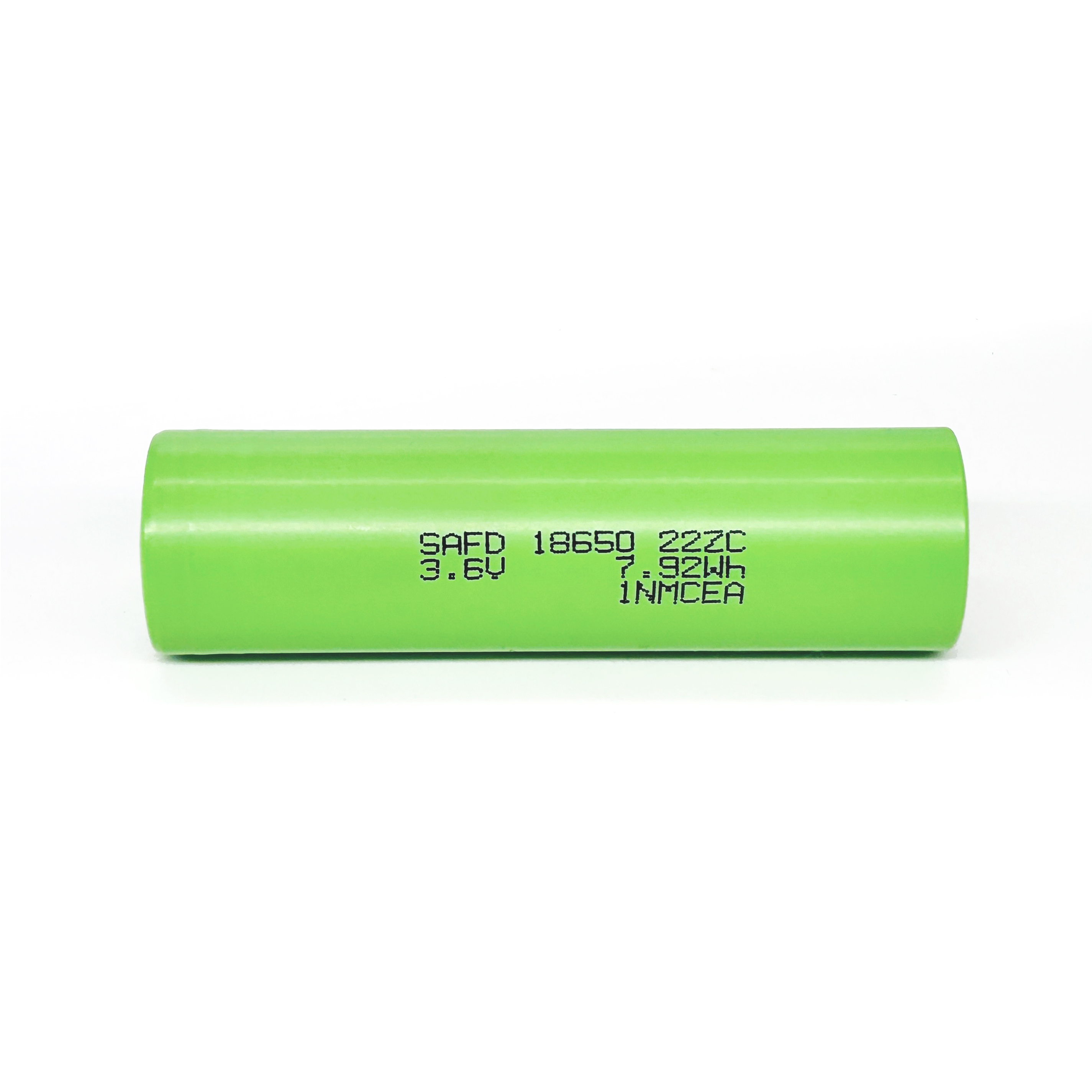
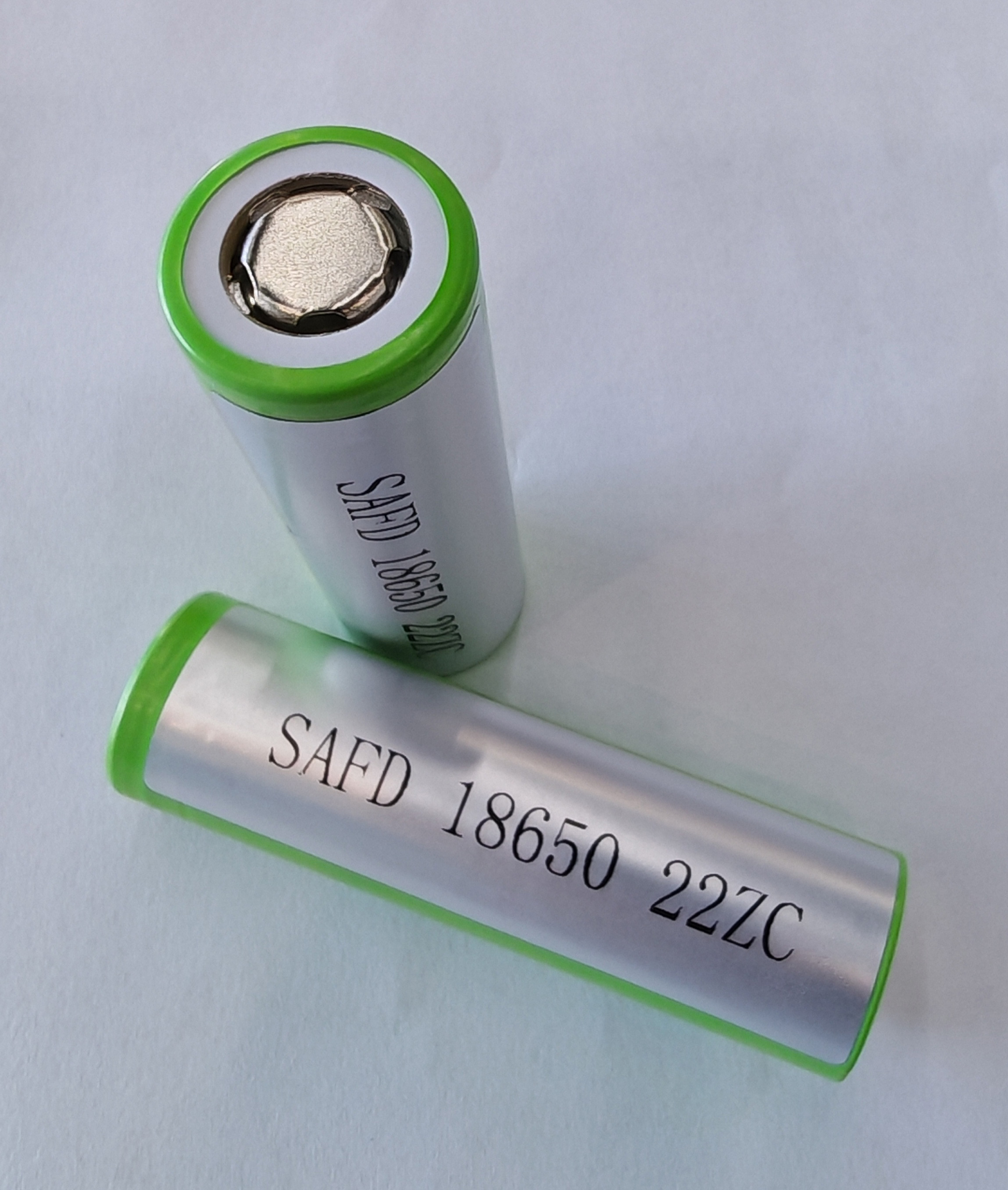
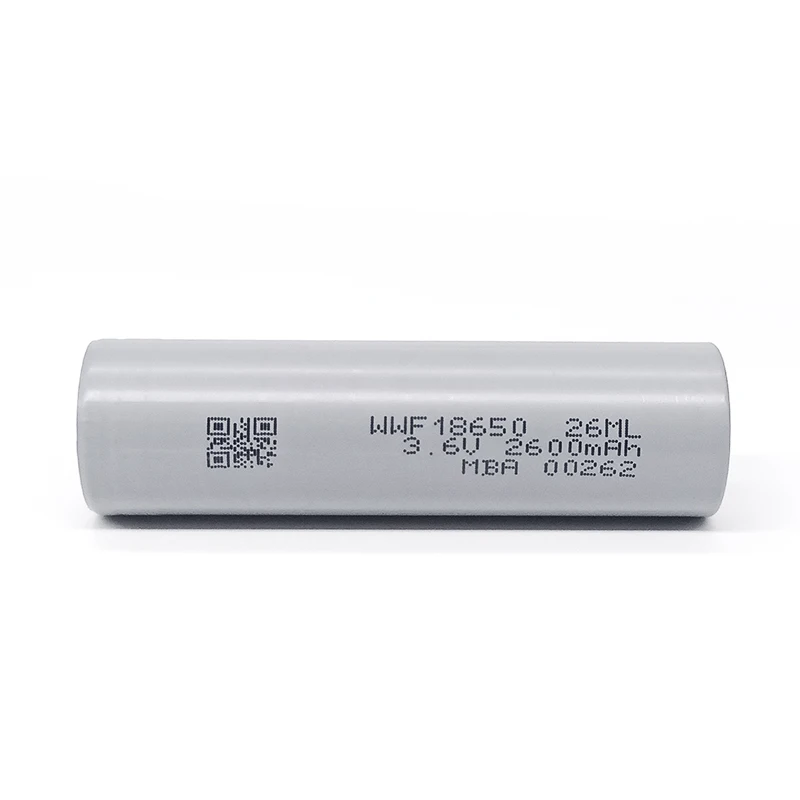
18650 batteries are a widely used lithium-ion battery, and its main components include the following parts:
1. Cathode material:
Common cathode materials include lithium cobalt oxide (LiCoO₂), lithium manganese oxide (LiMn₂O₄), lithium nickel cobalt manganese oxide (LiNiMnCoO₂, referred to as NMC), lithium nickel cobalt aluminum oxide (LiNiCoAlO₂, referred to as NCA), etc. These materials provide the storage and release functions of lithium ions and are an important source of battery energy density.
2. Anode material:
The anode is usually made of graphite because of its good conductivity and stability. During the charging process, lithium ions are embedded in the graphite structure and released from the graphite structure during the discharge process.
The anode is usually made of graphite because of its good conductivity and stability. During the charging process, lithium ions are embedded in the graphite structure and released from the graphite structure during the discharge process.
3. Electrolyte:
Electrolyte is a lithium salt (such as lithium hexafluorophosphate LiPF₆) dissolved in an organic solvent (such as ethylene carbonate EC, dimethyl carbonate DMC, etc.), which can conduct lithium ions between the positive and negative electrodes. The properties of the electrolyte directly affect the performance and safety of the battery.
Electrolyte is a lithium salt (such as lithium hexafluorophosphate LiPF₆) dissolved in an organic solvent (such as ethylene carbonate EC, dimethyl carbonate DMC, etc.), which can conduct lithium ions between the positive and negative electrodes. The properties of the electrolyte directly affect the performance and safety of the battery.
4. Separator:
The separator is usually made of polyolefin (such as polyethylene PE or polypropylene PP), which is a porous material that allows lithium ions to pass but prevents electrons from flowing directly, thereby preventing short circuits inside the battery.
The separator is usually made of polyolefin (such as polyethylene PE or polypropylene PP), which is a porous material that allows lithium ions to pass but prevents electrons from flowing directly, thereby preventing short circuits inside the battery.
5. Casing:
The casing of the 18650 battery is usually a cylindrical shell made of stainless steel, which provides physical protection and prevents the leakage of chemicals inside the battery.
The casing of the 18650 battery is usually a cylindrical shell made of stainless steel, which provides physical protection and prevents the leakage of chemicals inside the battery.
6. Protection Circuit (if any):
In order to improve the safety of use, some 18650 batteries will be equipped with a protection circuit to prevent overcharging, over-discharging, excessive current and short circuits.
In order to improve the safety of use, some 18650 batteries will be equipped with a protection circuit to prevent overcharging, over-discharging, excessive current and short circuits.
These components work together to ensure that the 18650 battery has high energy density, long cycle life and good safety, and is a key component widely used in electronic products, power tools, electric vehicles and other fields.
What are the differences between lithium batteries and traditional batteries (such as lead-acid batteries and nickel-cadmium batteries)?
What are the advantages of 18650 batteries?