What are the differences between lithium batteries and traditional batteries (such as lead-acid batteries and nickel-cadmium batteries)?
2024-06-26
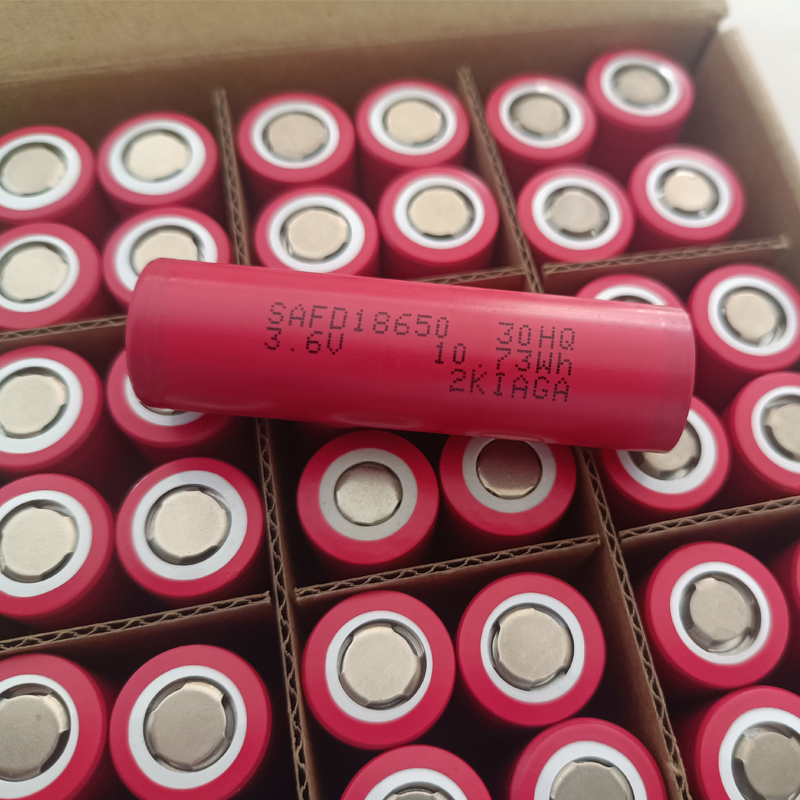
Lithium batteries differ significantly from traditional batteries (such as lead-acid batteries and nickel-cadmium batteries) in many aspects, including chemical composition, performance characteristics, application scenarios, etc. The following will introduce the main differences between lithium batteries and lead-acid batteries and nickel-cadmium batteries in detail.
I. Chemical composition
- 1. Lithium batteries:Lithium batteries use lithium as the main electrochemical material, and common types include lithium-ion batteries and lithium polymer batteries. Its positive electrode material is usually lithium metal oxide (such as lithium cobalt oxide, lithium iron phosphate, etc.), the negative electrode material is graphite or other carbon materials, and the electrolyte is lithium salt dissolved in an organic solvent.
- 2. Lead-acid batteries:Lead-acid batteries use lead and lead oxide as electrodes, and the electrolyte is dilute sulfuric acid. Its positive electrode is lead dioxide (PbO2) and its negative electrode is spongy lead (Pb).
- 3. Nickel-cadmium battery:Nickel-cadmium battery uses nickel oxide hydroxide (NiOOH) as the positive electrode material, cadmium (Cd) as the negative electrode material, and the electrolyte is usually potassium hydroxide (KOH) solution.
II. Performance characteristics
1. Energy density
1. Energy density
- Lithium battery: has a higher energy density, generally 150-200 Wh/kg, and some advanced lithium batteries can even reach more than 250 Wh/kg. This means that lithium batteries can store more energy at the same weight.
- Lead-acid battery: has a lower energy density, generally 30-50 Wh/kg, suitable for occasions that require high current discharge but do not require high energy density.
- Nickel-cadmium battery: has a medium energy density, generally 40-60 Wh/kg, between lithium batteries and lead-acid batteries.
2. Service life
- Lithium battery: has a long cycle life, generally up to 500-1000 charge and discharge cycles, and high-quality lithium batteries can even reach more than 2000 times.
- Lead-acid battery: The cycle life is short, generally 200-300 charge and discharge cycles, and deep discharge will further shorten its life.
- Nickel-cadmium battery: The cycle life is medium, generally 500-1000 charge and discharge cycles, but there is a memory effect, and it needs to be fully discharged regularly.
3. Self-discharge rate
- Lithium battery: The self-discharge rate is low, about 1-2% per month.
- Lead-acid battery: The self-discharge rate is medium, about 3-5% per month.
- Nickel-cadmium battery: The self-discharge rate is high, about 10-15% per month.
4. Charge and discharge efficiency
- Lithium battery: The charge and discharge efficiency is high, generally 90-95%.
- Lead-acid battery: The charge and discharge efficiency is low, generally 70-85%.
- Nickel-cadmium battery: The charge and discharge efficiency is medium, generally 70-90%.
III. Application scenarios
- 1. Lithium battery:Lithium batteries are widely used in portable electronic devices (such as smartphones, laptops), electric vehicles, energy storage systems and other application scenarios that require high energy density and long life.
- 2. Lead-acid batteries:Lead-acid batteries are commonly used in car starting batteries, uninterruptible power supplies (UPS), electric forklifts and other occasions that require high current discharge but low energy density.
- 3. Nickel-cadmium batteries:Nickel-cadmium batteries are mainly used in portable power tools, emergency lighting, telecommunications equipment and some applications that require durability and good performance under extreme temperatures.
IV. Environmental protection and safety
- 1. Lithium batteries:Lithium batteries are relatively good in terms of environmental protection, but the use of organic solvents needs to be controlled during the manufacturing process. Lithium batteries may have safety risks such as thermal runaway and fire under overcharge, overdischarge and high temperature conditions.
- 2. Lead-acid batteries:Lead-acid batteries contain toxic lead and sulfuric acid, and improper waste disposal will cause serious pollution to the environment. However, the recycling technology of lead-acid batteries is relatively mature and the recycling rate is high.
- 3. Nickel-cadmium batteries:Nickel-cadmium batteries contain toxic cadmium, and improper waste disposal will also cause pollution to the environment. Nickel-cadmium batteries can also be recycled, but recycling and processing require strict control of cadmium emissions.
Lithium batteries, lead-acid batteries and nickel-cadmium batteries each have their own advantages and applicable fields. Lithium batteries have become the first choice for modern electronic devices and electric vehicles due to their high energy density, long life and high efficiency. Lead-acid batteries are widely used in traditional automobiles and backup power supplies due to their low cost and high current discharge capacity. Although nickel-cadmium batteries have memory effects and environmental pollution problems, their durability and good performance in extreme temperatures still make them competitive in specific fields. Choosing the right battery type requires comprehensive consideration based on specific application requirements and usage environment.
If a lithium-ion battery does not charge or discharge during its life (such as when stored), will it lose capacity?
What are 18650 batteries made of?