If a lithium-ion battery does not charge or discharge during its life (such as when stored), will it lose capacity?
2024-06-29
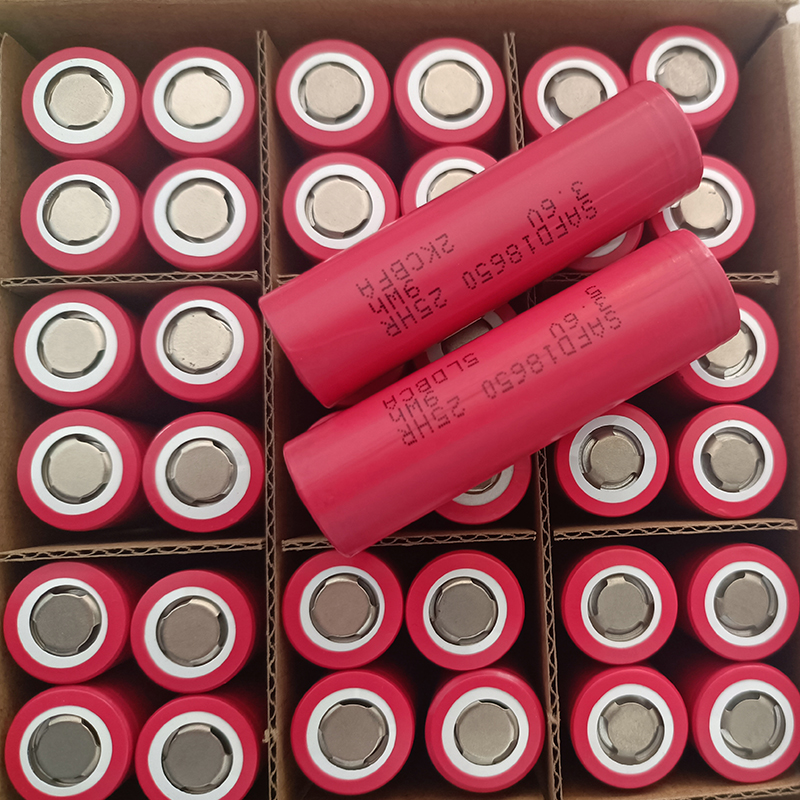
Lithium-ion batteries experience capacity loss during storage, even if they are not charged or discharged. This phenomenon is mainly attributed to the following factors:
1. Self-discharge: All batteries experience self-discharge during storage. Lithium-ion batteries also slowly release their charge when stored, which causes the battery capacity to gradually decrease. The higher the temperature, the faster the self-discharge rate.
2. Electrolyte decomposition: The electrolyte in lithium-ion batteries may gradually decompose during long-term storage, which will cause the battery's internal resistance to increase, thereby reducing the battery's available capacity.
3. SEI film changes: A solid electrolyte interface (SEI) film is formed on the negative electrode of a lithium-ion battery. During long-term storage, the SEI film may change or further thicken, which will affect the conductivity of lithium ions and thus reduce the battery's capacity.
4. Aging of electrode materials: The positive and negative electrode materials of the battery will also age during long-term storage, which will cause the battery's active materials to decrease, thereby affecting the battery's capacity.
To reduce capacity loss during storage, here are some suggestions:
1. Storage environment temperature: Storing lithium-ion batteries in a low temperature, dry environment can effectively reduce the rate of self-discharge and electrolyte decomposition. The storage temperature is usually recommended to be around 15°C.
2. Storage power: Keeping lithium-ion batteries at 40%-60% power before storage can minimize capacity loss. Too high or too low power will have an adverse effect on battery life.
3. Regular inspection and maintenance: Batteries stored for a long time should be checked regularly and charged and discharged when necessary to ensure that the battery remains in optimal condition.
In general, lithium-ion batteries do lose a certain amount of capacity during storage, but with proper storage methods and maintenance, this loss can be effectively reduced and the battery life can be extended.
Precautions for 18650 battery series connection
What are the differences between lithium batteries and traditional batteries (such as lead-acid batteries and nickel-cadmium batteries)?