Precautions for 18650 battery series connection
2024-07-09
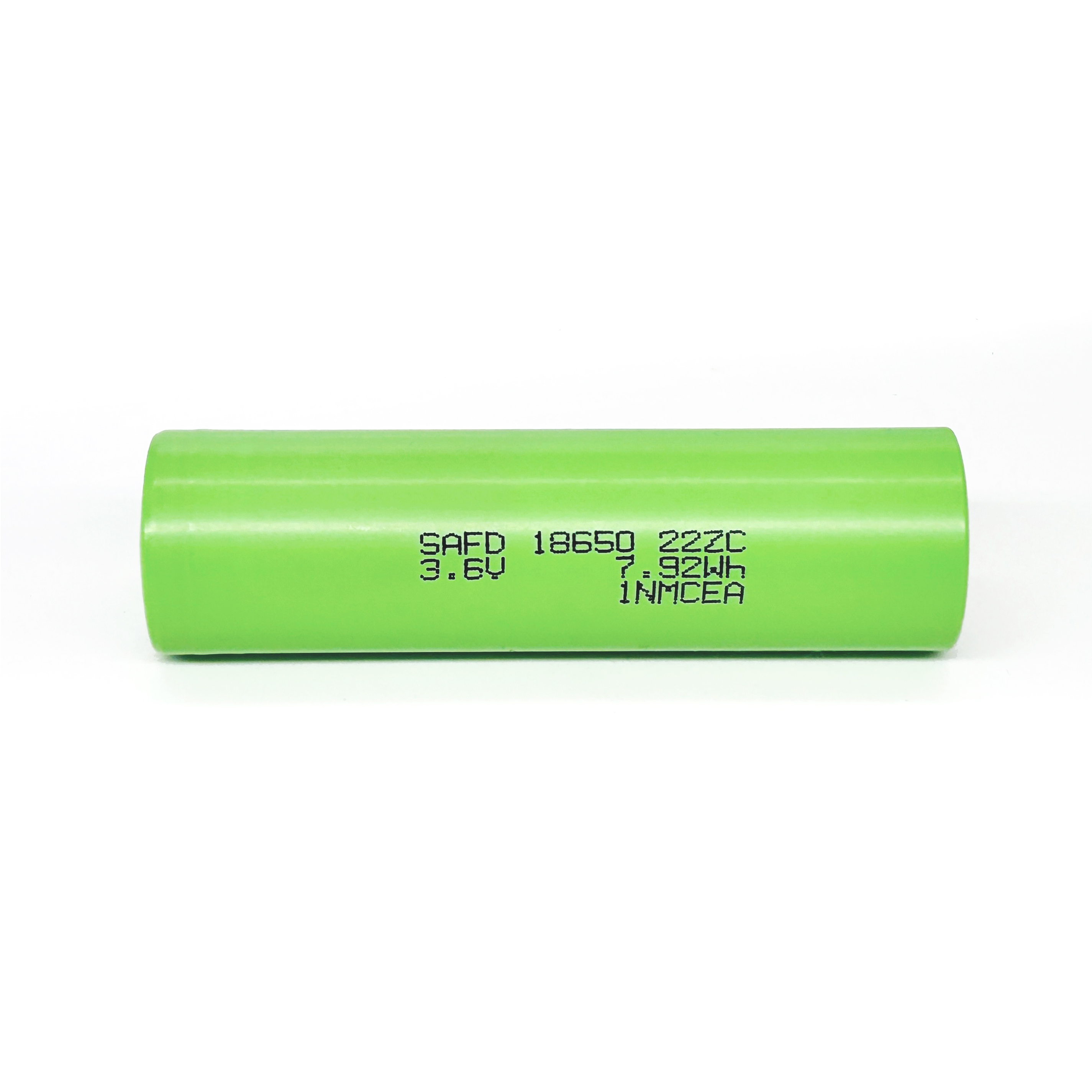
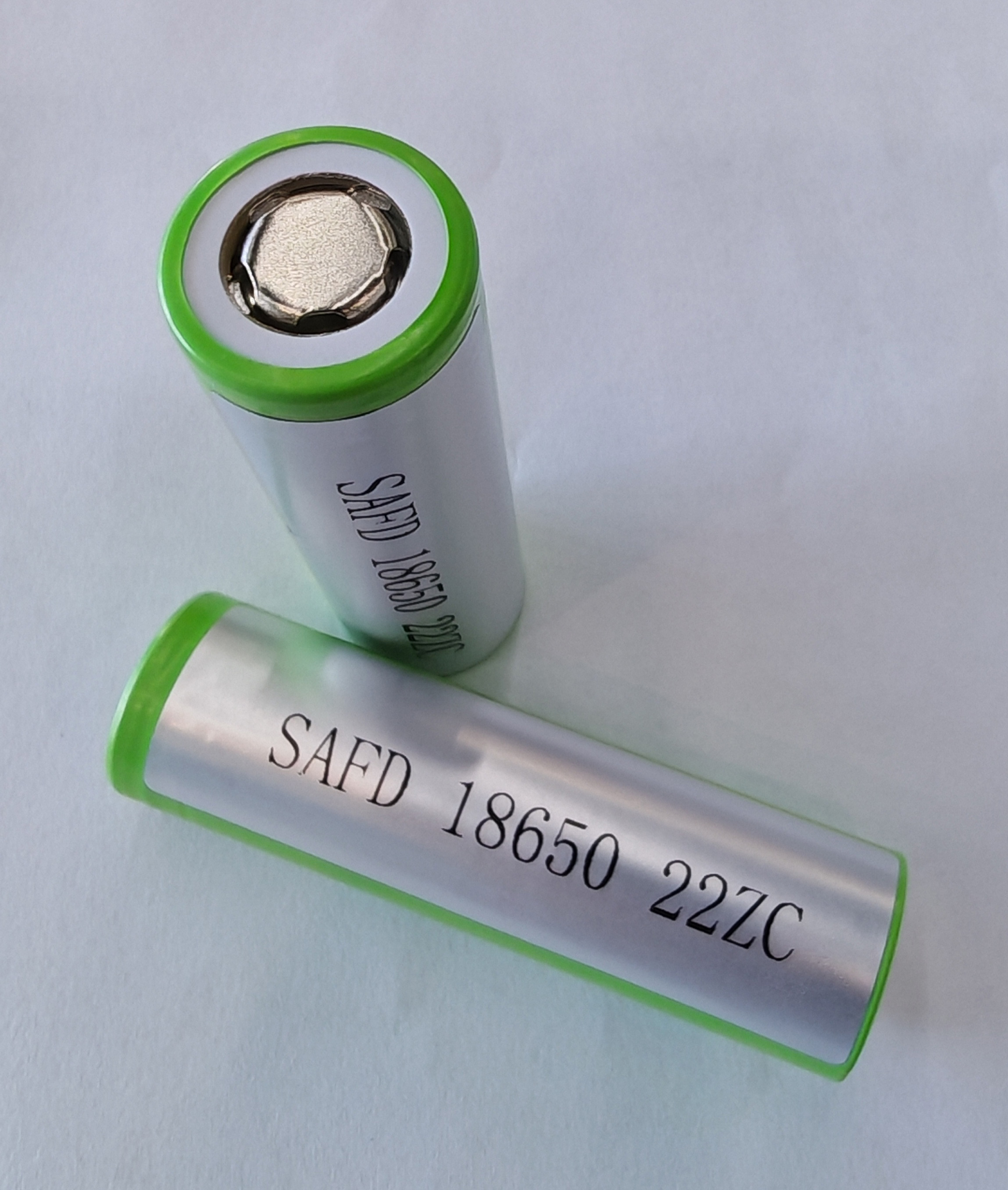
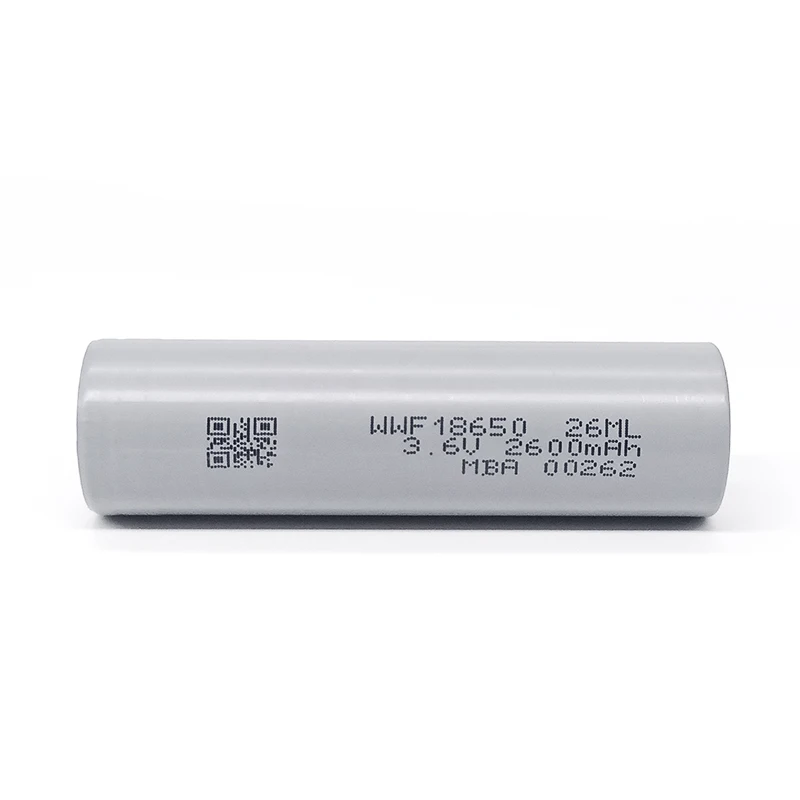
18650 battery is a common lithium-ion rechargeable battery widely used in various electronic devices. When connecting 18650 batteries in series, the following matters need to be noted to ensure safety and maximize battery performance:
1. Battery consistency: Make sure that all batteries in series are of the same brand and model, and that the battery capacity, voltage, internal resistance and other parameters are as consistent as possible. This can reduce the imbalance between batteries (prevent overcharge and overdischarge of batteries due to inconsistent capacity) and extend the life of the battery pack.
2. Battery protection board (BMS): Use a specially designed battery protection board (Battery Management System, BMS), which can provide multiple protections such as overcharge, overdischarge, overcurrent, and short circuit to ensure the safe operation of the battery pack.
3. Battery balance: Regularly balance the battery pack to ensure that the voltage of each battery cell remains consistent and avoid overcharge or overdischarge of individual batteries.
3. Battery balance: Regularly balance the battery pack to ensure that the voltage of each battery cell remains consistent and avoid overcharge or overdischarge of individual batteries.
4. Charging and discharging current: Control the charging and discharging current within the range allowed by the battery specifications. Excessive current can cause battery overheating, shorten battery life, and even cause safety accidents.
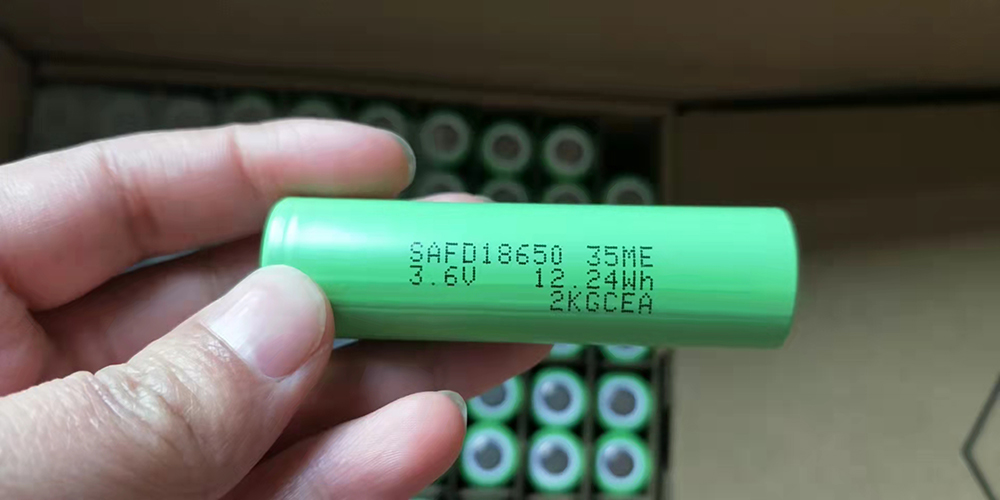
5. Temperature management: 18650 batteries generate heat during charging and discharging, so good heat dissipation design is required to keep the battery operating within a suitable temperature range (generally 0℃ to 45℃). Too high or too low temperature will affect battery performance and safety.
6. Connection reliability: Ensure reliable connection between batteries. Use high-quality connectors and welding processes to avoid looseness and poor contact.
7. External protection: The battery pack should be protected by a sturdy shell to prevent mechanical damage such as external impact and extrusion. At the same time, the shell material should have insulation properties to prevent battery short circuit.
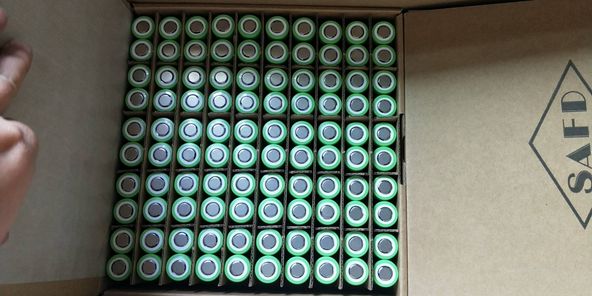
8. Clear identification: Clearly identify the positive and negative poles of the battery pack to avoid short circuit or reverse connection caused by wiring errors.
9. Daily maintenance: Regularly check the status of the battery pack, and promptly detect and handle abnormal conditions, such as inconsistent voltage and abnormal temperature.
By following the above precautions, the safety and service life of the 18650 battery pack can be effectively improved to ensure the normal operation of the equipment.
How to identify counterfeit 18650 batteries?
If a lithium-ion battery does not charge or discharge during its life (such as when stored), will it lose capacity?