Ternary lithium battery and lithium iron phosphate battery
2023-10-10
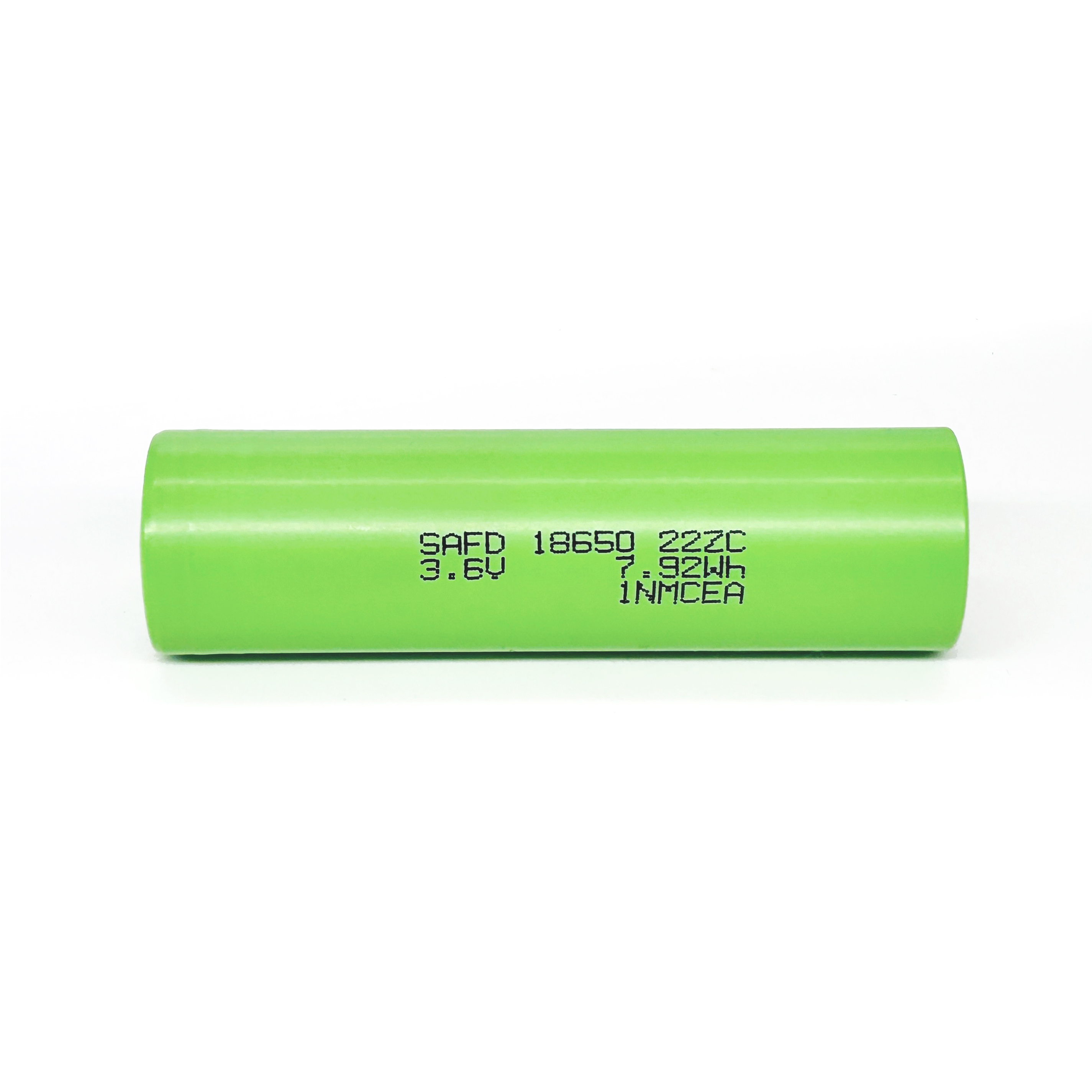
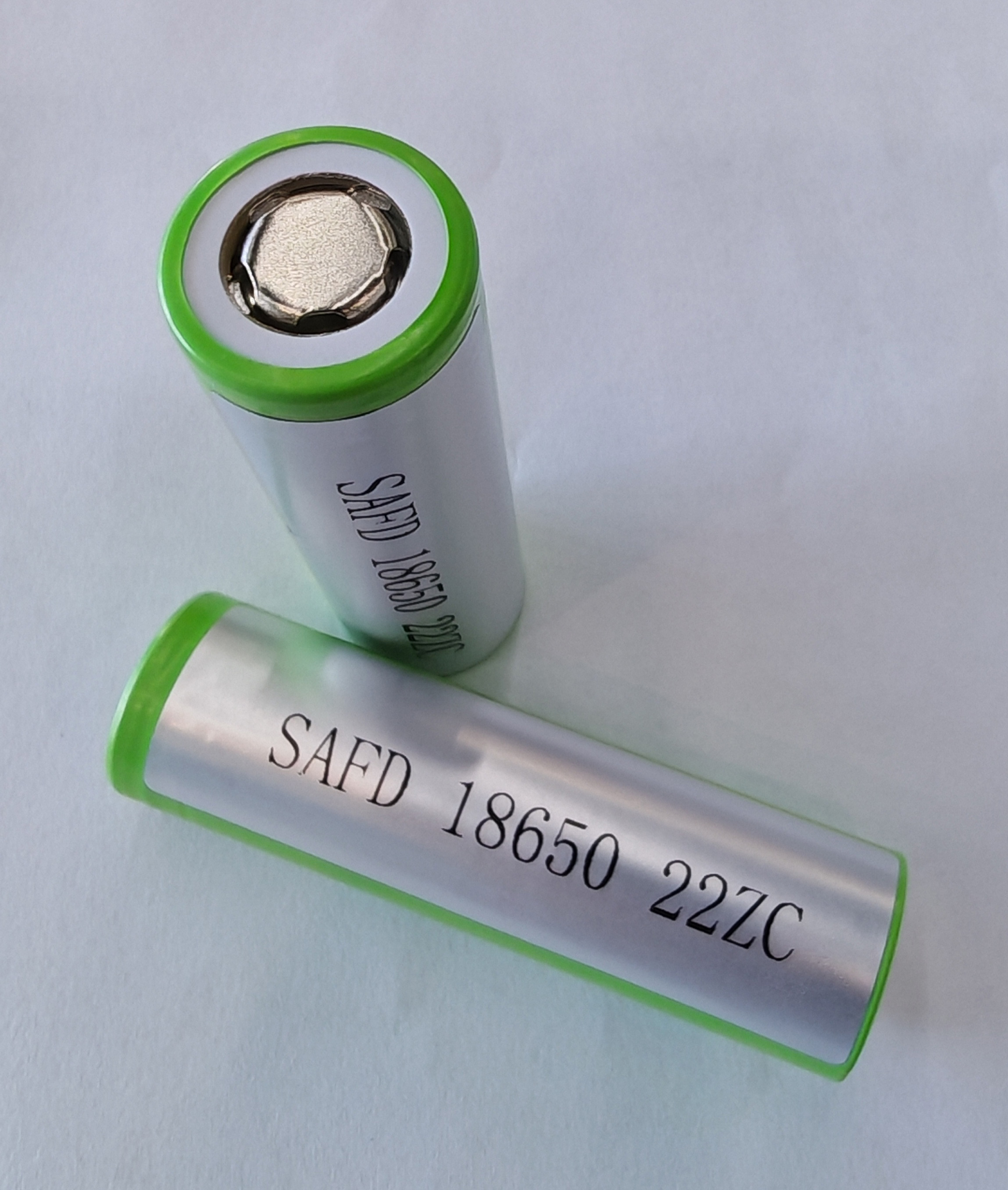
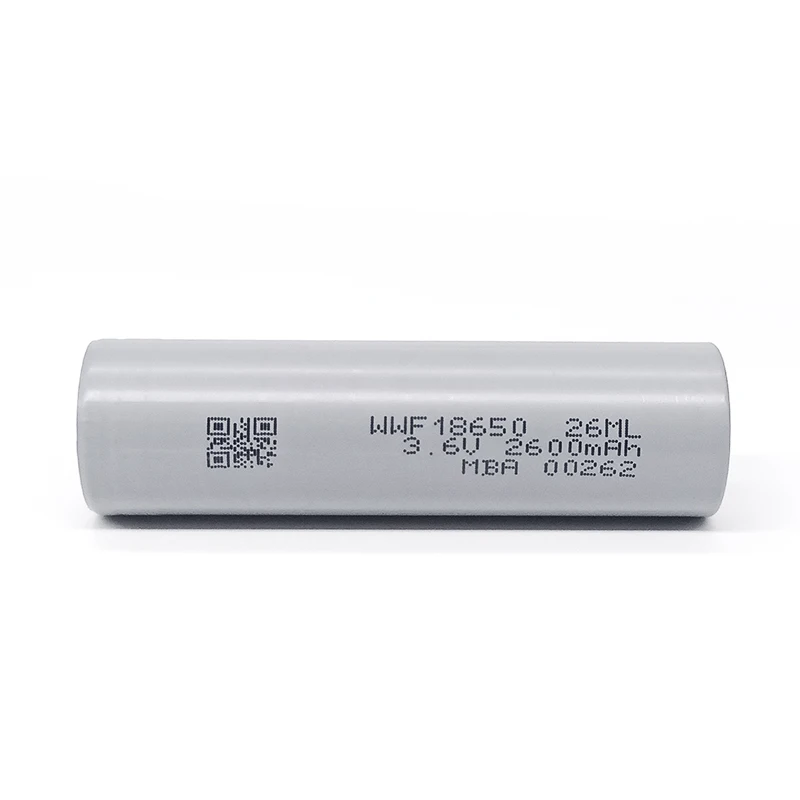
Ternary lithium batteries (also known as lithium-ion batteries or lithium polymer batteries) and lithium iron phosphate (LiFePO4) batteries are both types of lithium-ion batteries, but they differ in terms of chemical composition, performance characteristics, advantages, and disadvantages. Here are the distinctions and pros and cons of each:
Three-Element Lithium Battery (Three-Element Li-Ion Battery):
Chemical Composition: The positive electrode material of a three-element lithium battery usually consists of a mixture of manganese, cobalt, and nickel oxide, hence the term "three-element materials." Common examples include NMC (nickel manganese cobalt) and NCA (nickel cobalt aluminum). The negative electrode typically employs graphite material.
Energy Density: Three-element lithium batteries have a relatively high energy density, enabling them to provide substantial energy storage capacity. As a result, they are widely utilized in applications like electric vehicles.
Cycle Life: These batteries often boast a good cycle life, allowing for multiple charge and discharge cycles while maintaining a relatively high capacity.
Safety: Three-element lithium batteries generally have decent safety profiles, though the presence of cobalt and other elements could pose a risk of thermal runaway during charging.
Lithium Iron Phosphate Battery (LiFePO4 Battery):
Chemical Composition: The positive electrode material of a lithium iron phosphate battery is composed of lithium iron phosphate (LiFePO4), and the negative electrode typically uses graphite material. This chemical composition contributes to its comparatively higher safety level.
Energy Density: Lithium iron phosphate batteries have a lower energy density. Their energy storage capacity is smaller compared to three-element lithium batteries.
Cycle Life: Lithium iron phosphate batteries often exhibit longer cycle lives, enabling more charge and discharge cycles, especially while performing well in high-temperature conditions.
Safety: Due to their superior chemical stability, lithium iron phosphate batteries offer enhanced safety and are less prone to issues like thermal runaway.
Comparison of Advantages and Disadvantages:
Three-Element Lithium Battery Advantages:
High energy density, suitable for applications requiring significant capacity, such as electric vehicles.High power output capability.Stable performance with relatively high charge and discharge efficiency.
Three-Element Lithium Battery Disadvantages:
Shorter cycle life, with capacity gradually decreasing over cycles.Contains rare materials like cobalt, leading to higher costs and potential resource supply pressure.Risk of thermal runaway during charging.
Lithium Iron Phosphate Battery Advantages:
High safety levels, less prone to safety issues like thermal runaway.Long cycle life, suitable for long-term cycling, particularly in high-temperature environments.Lower cost due to the prevalence of its raw materials.
Lithium Iron Phosphate Battery Disadvantages:
Lower energy density, limited energy storage capacity, less suitable for high-capacity requirements.Weaker power output capability, restricting its application range.
In general, the choice between a three-element lithium battery and a lithium iron phosphate battery depends on specific application requirements, including energy density, safety, cycle life, and cost factors.
Focus on high quality cylindrical lithium ion batteries 18650 21700 batteries 4680 46120 34207 lifepo4 batteries, contact us for the best battery prices:contact-us
Lithium-ion battery packs can be customized according to customer requirements
Lithium-ion battery packs can be customized according to customer requirements
What are the common causes of battery corrosion?
DIY Lithium Battery Precautions